Nicholas Hedges

Art, Writing and Research

  • Amazon
  • Behance
  • Facebook
  • Instagram
  • Pinterest
  • YouTube
  • Art
    • Digital
    • Drawing
    • Grids
      • Correspondence
      • The Wall
      • The Tourist
    • Ink on paper
      • Shadow Calligraphy
    • Installation
      • Murder
      • Echo
    • Painting
    • Patterns
    • Mixed Media
    • Photographic installation
      • St. Giles Fair 1908
      • Cornmarket 1907
      • Headington Hill 1903
      • Queen Street 1897
    • Research/Sketches
    • Stitched Work
      • Missded 1
      • Missded 2
      • Missded 3
      • Missded 4
    • Text Work
  • Blogs
    • Family History
    • Goethean Observations
    • Grief
    • Light Slowed But Never Stilled
    • Lists
    • Present Empathy
    • Shadow Calligraphy
    • Trees
    • Time
    • Walking Meditations
  • Video
  • Photography
    • Pillars of Snow
    • Creatures
    • The Trees
    • Snow
    • St. Giles Fair 1908
    • Cornmarket 1907
    • Headington Hill 1903
    • Queen Street 1897
    • Travel
  • Illustration and Design
  • Music
  • Projects
    • Dissonance and Rhyme
    • Design for an Heirloom
    • Backdrops
    • Shadow Calligraphy
  • Exhibitions
    • A Line Drawn in Water
      • Artwork
    • A Line Drawn in Water (Blog)
    • Mine the Mountain 3
      • Artwork
    • Mine the Mountain 2
      • Artwork
      • The Wall
    • The Woods, Breathing
      • Artwork
    • Snow
      • Artwork
    • Echo
      • Artwork
    • Murder
      • Artwork
    • The Tourist
    • Dreamcatcher
    • Mine the Mountain
      • Artwork
      • The Tourist
    • M8
    • The Gate
    • Creatures
      • Artwork
    • Residue
      • Artwork
    • A visit to Auschwitz
      • Artwork
  • Me
    • Artist’s Statement

The Material World

July 19, 2012 by Nicholas Hedges

“What, then, is this material world? Of what does it consist?”

So asks Tim Ingold, in his book, Being Alive, Essays on Movement, Knowledge and Description. It seems an obvious question, or rather, a question for which there is an obvious answer, but in terms of the field Material Culture it would seem to be not so straightforward. Citing a number of works on the subject, Ingold writes how “their engagements, for the most part, are not with the tangible stuff of craftsmen and manufacturers but with the abstract ruminations of philosophers and theorists.” Furthermore, “literature in anthropology and archaeology that deals explicitly with the subjects of materiality and material culture seems to have hardly anything to say about materials.” Ingold then goes on to cite an inventory of materials one might expect to see when dealing with this subject, as can be found in a book by Henry Hodges called Artefacts.

pottery
glazes
glass and enamels
copper and copper alloys
iron and steel
gold, silver, lead and mercury
stone
wood
fibres and threads
textiles and baskets
hides and leather
antler, bone, horn, ivory
dyes, pigments and paints
adhesives

In an array of books on his bookshelf, all dealing in some form with the subject of material culture, Ingold states that one looks in vain for any “comprehensible explanation of what ‘materiality’ actually means, or for any account of materials and their properties.” 

To cut a long story short, Ingold goes on to question what the material world actually is – thus the question at the top: “What, then, is this material world? Of what does it consist?”

He writes:

“Christopher Gosden suggests, we could divide it into two broad components: landscape and artefacts. Thus it seems that we have human minds on the one hand, and a material world of landscape and artefacts on the other. That, you might think, should cover just about everything. But does it? Consider, for a moment, what is left out. Starting with landscape, does this include the sky? Where do we put the sun, the moon and the stars? We can reach for the stars but cannot touch them: are they, then, material realities with which humans can make contact, or do they exist only for us in the mind? is the moon part of the material world for terrestrial travellers, or only for cosmonauts who touch down on the lunar landscape? How about sunlight? Life depends on it. But if sunlight were a constituent of the material world, then we would have to admit not only that the diurnal landscape differs materially from the nocturnal one, but also that the shadow of a landscape feature, such as a rock or tree, is as much a part of the material world as the feature itself. For creatures that live in the shade, it does indeed make a difference! What, then, of the air? When you breathe, or feel the wind on your face, are you engaging with the material world? When the fog descends, and everything around you looks dim and mysterious, has the material world changed, or are you just seeing the same world differently? Does rain belong to the material world, or only the puddles that it leaves in ditches and pot-holes? Does falling snow join the material world only once it settles on the ground? As engineers and builders know all too well, rain and frost can break up roads and buildings. How then can we claim that roads and buildings are part of the material world, if rain and frost are not? And where would we place fire and smoke, molten lava and volcanic ash, not to mention liquids of all kinds from ink to running water? … If, moreover, they are part of the material world, then the same must be true of my own body. So where does this fit in? If I and my body are one and the same, and if my body indeed partakes of the material world, then how can the body-that-I-am engage with that world?”

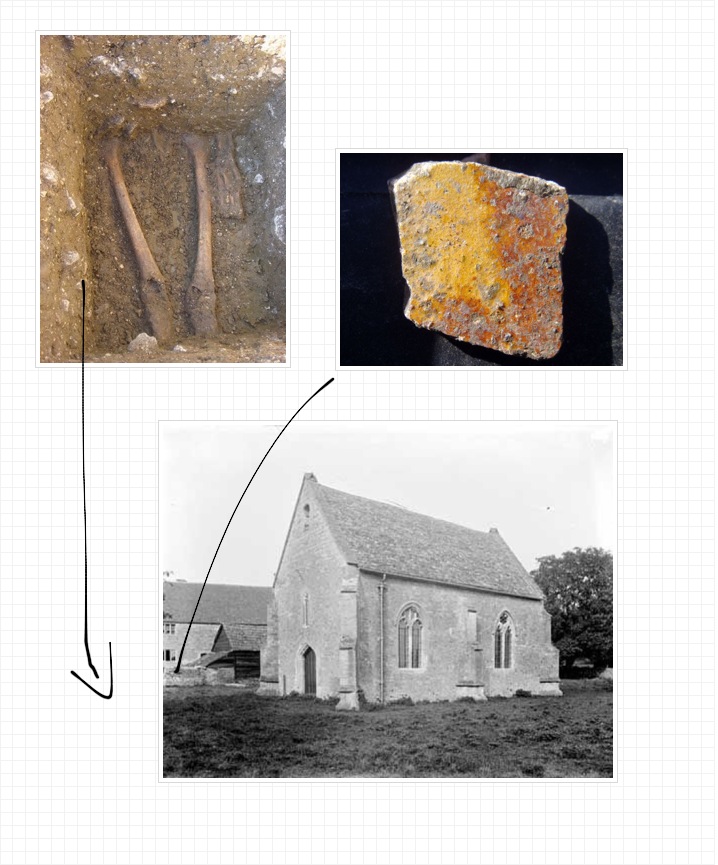
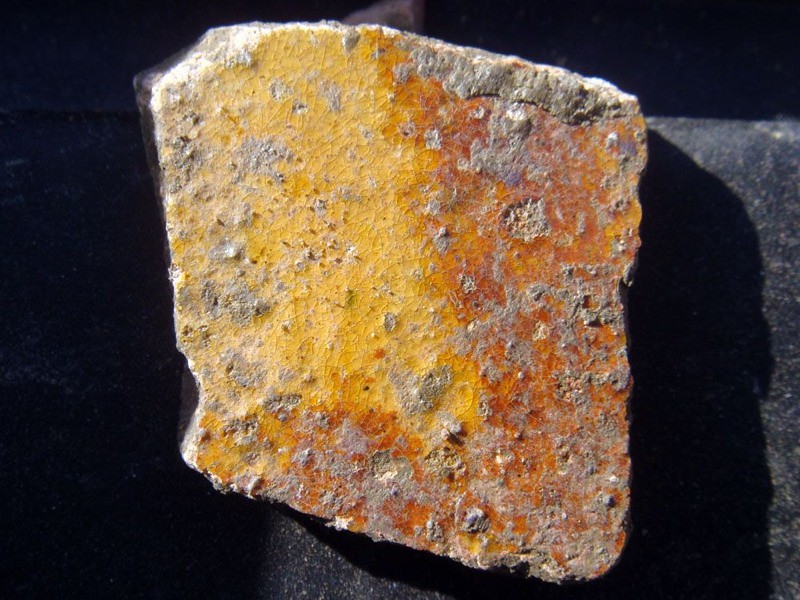
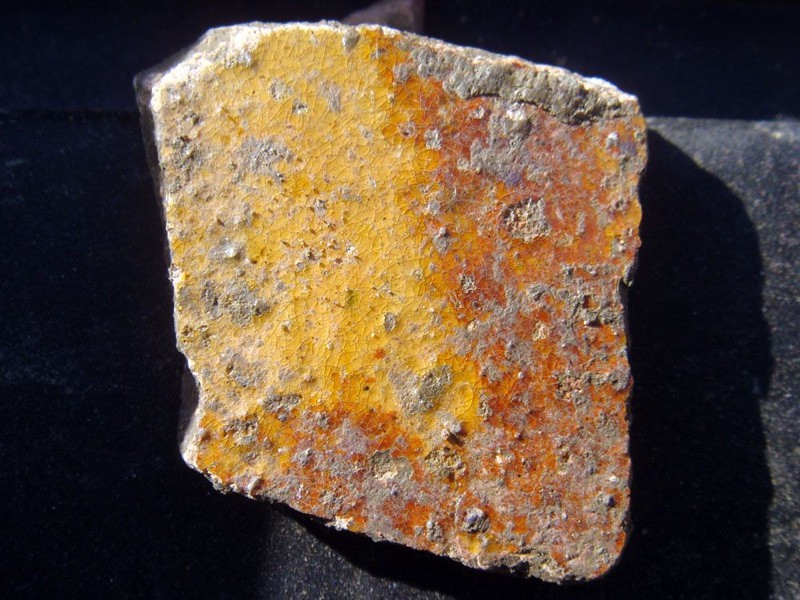
When I read this, I thought about the dig I went on last year at Bartlemas Chapel in Oxford, when I found a small but rather beautiful piece of mediaeval (I think) pottery.
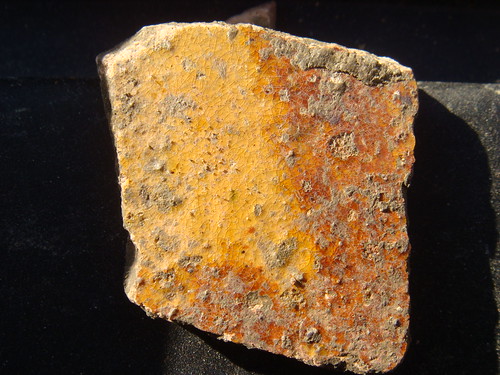
Bartlemas Chapel Excavation

There are many ways in which one could interpret this find, but what I thought about was how this was like a missing piece of the present, and how, before it was lost to the soil, it had existed in a mediaeval present that was (save for the obvious differences) just like ours today. There was the wind, there were trees and flowers, the clouds, the sky and of course the sun, by whose light the beautiful glaze could be seen again, just as it had been by someone living hundreds of years ago. Reading what Tim Ingold has written about materiality and material culture above therefore made perfect sense.

And as regards my work with empathy and the importance in this respect of materiality and material culture, the idea of the body as part of the material world was also of interest. We are not set outside the material world but are an integral part – therefore it’s easier to engage empathetically with an individual through the objects those individuals once used. Empathy is as I’ve said before an augmented discourse between bodily experience and knowledge. Knowledge as Ingold writes derives through movement: “It is by moving that we know, and it is by moving, too, that we describe.” When I discovered the piece of pottery (through moving), I uncovered not only the object itself, but the material world by which it was once surrounded, including those people who once used it, or the person who even made it.
Filed Under: Archaeology, Lists, Trees Tagged With: Archaeology, Artefacts, Bartlemas Chapel, Empathy, Fragments, Landscape, Listmaking, Lists, Pottery, Stars, Tim Ingold

Thoughts

May 10, 2012 by Nicholas Hedges

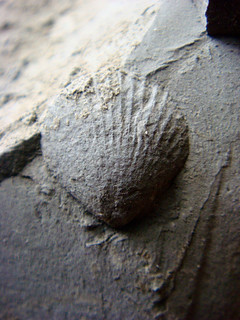
IMG_1029
Fossilised shell, around 195 millions years old

“As physicists have pointed out, it is no accident that we see stars in our sky, for stars are a necessary part of any universe capable of generating us. Again, this does not imply that stars exist in order to make us. It is just that without stars there would be no atoms heavier than lithium in the periodic table, and a chemistry of only three elements is too impoverished to support life. Seeing is the kind of activity that can go on only in the kind of universe where what you see is stars.”
Richard Dawkins

Bartlemas Chapel Excavation
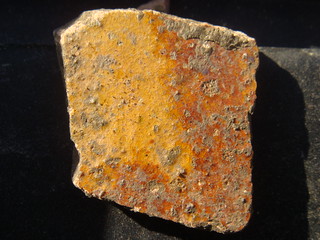
Mediaeval pottery shard

“Only God knows the reason for those changes linked with the mystery of the future: for men there are truths hidden in the depths of time; they come forth only with the help of the ages, just as there are stars so far removed from the earth that their light has not yet reached us.”
Chateaubriand

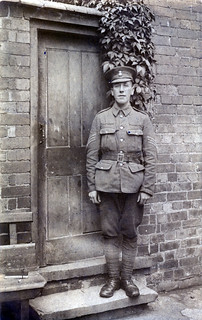
World War 1 Serviceman
Photograph of World War I serviceman 

“From a real body, which was there, proceed radiations which ultimately touch me, who am here; the duration of the transmission is insignificant; the photograph of the missing being as Sontag says, will touch me like the delayed rays of a star. A sort of umbilical cord links the body of the photographed thing to my gaze – light though impalpable, is here a carnal medium, a skin I share with anyone who has been photographed.”
Roland Barthes

Filed Under: Quotes Tagged With: Fossils, Fragments, Pottery, Quotes, Shells, Stars, Useful Quotes, WWI Postcards

Page from iPad Notebook

February 24, 2012 by Nicholas Hedges

Filed Under: Archaeology Tagged With: Archaeology, Fragments, iPad, Notebook, Pottery, Skeleton, Vintage Photographs

Geophysics and Henry Taunt

November 16, 2011 by Nicholas Hedges

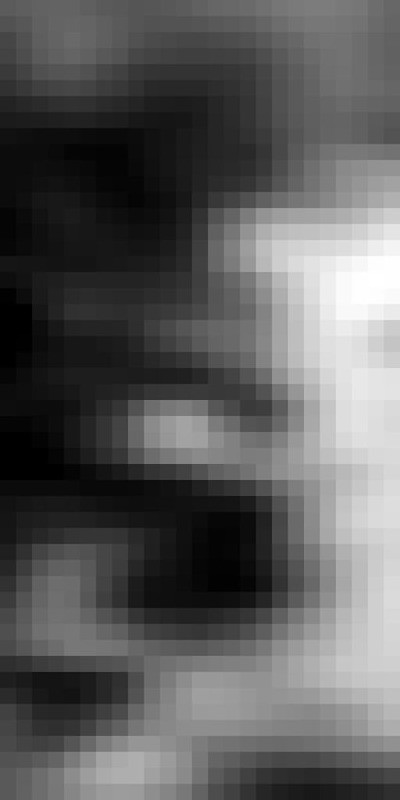
Since working on the archaeological dig at Bartlemas Chapel, I’ve been looking for ways to create work based around my interpretations of the site. A starting point for my research is an image created through a Geophysical survey of the site.


It shows areas of high resistance (pale greys and whites) and areas of less resistance (dark greys and blacks), revealing patterns beneath the surface of the ground caused by the remnants of walls, buildings, ditches etc. Its indistinct aesthetic (vague shapes and outlines) is perhaps a metaphor for the way we perceive the past, which is itself, at best, always the most ill-defined and inexact picture.
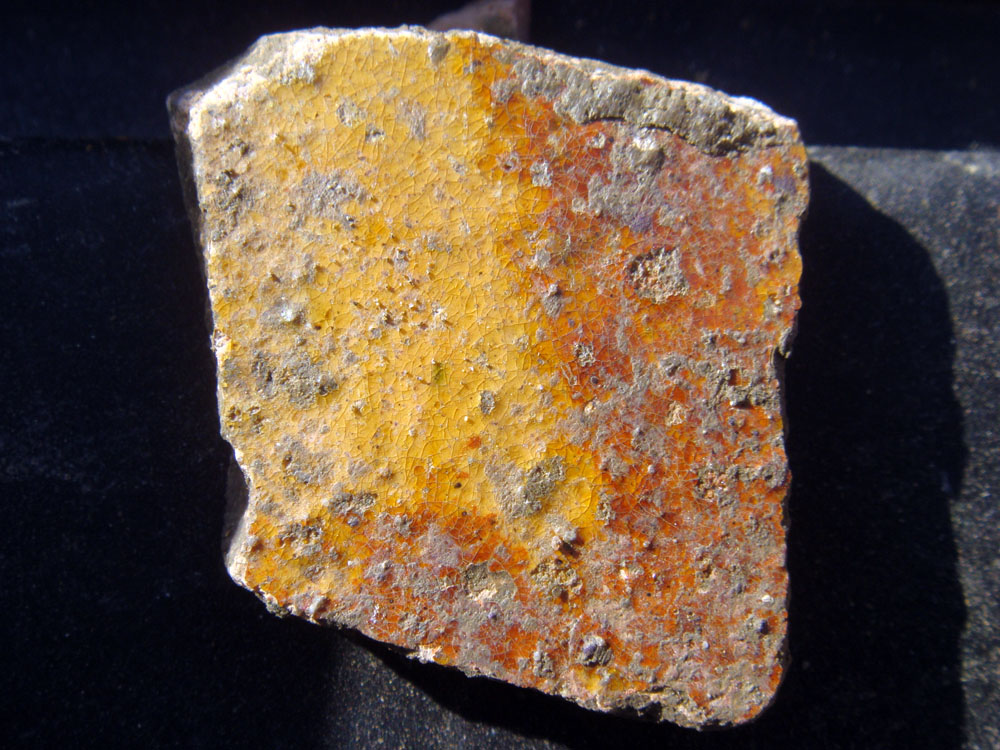
Somewhere within this picture however were all the things we found, including the piece of mediaeval pottery below.


The contrast between the black and white of the resistance survey image and that of the red-orange glaze interests me as regards the allusion to what we know of the past as opposed to what actually happened.
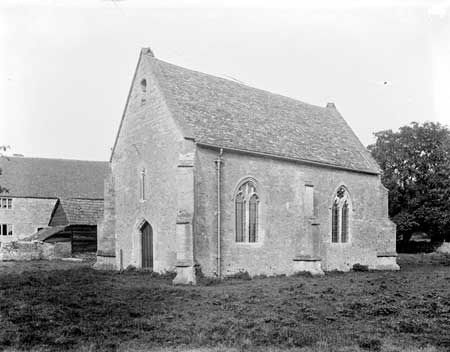
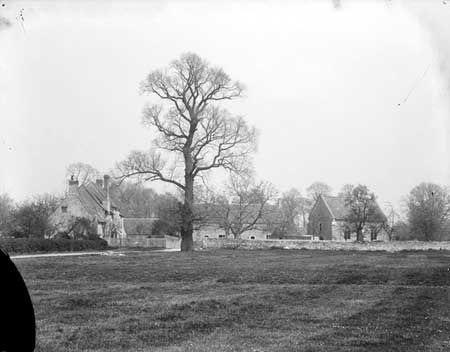
This contrast also comes to mind when looking at photographs of Bartlemas Chapel taken by Henry Taunt in 1912.


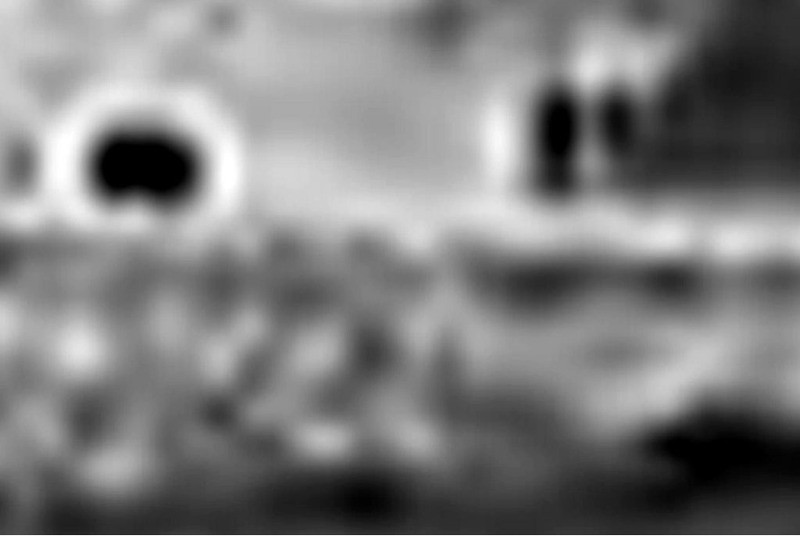
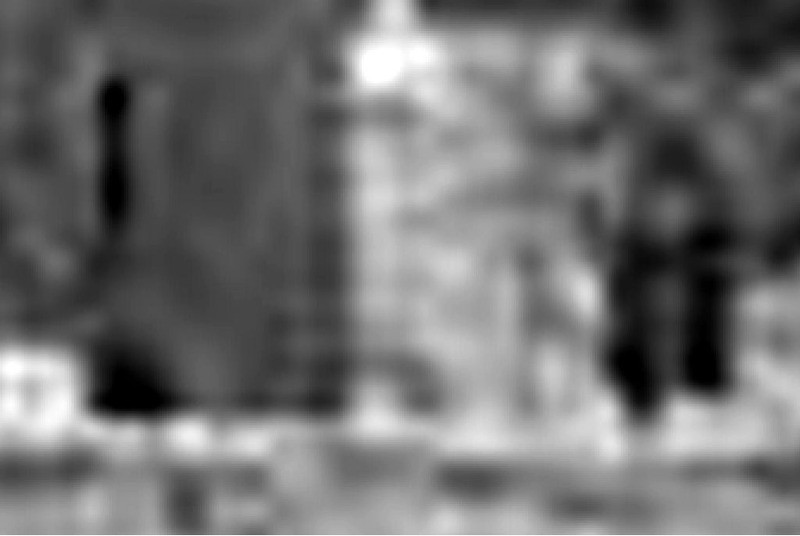
It’s amazing to think that below the black and white surface of the photographs, beneath the ground, the same piece mediaeval of pottery is there, waiting to be discovered, along with the bones of those who were buried there centuries before. Zooming in, as if to get a closer look, the image begins to change, becoming indistinct like the resistance survey images.


Filed Under: Photography Tagged With: Bartlemas Chapel, Fragments, Geophysics, Pottery, Vintage Photographs

Old Sky

October 17, 2011 by Nicholas Hedges

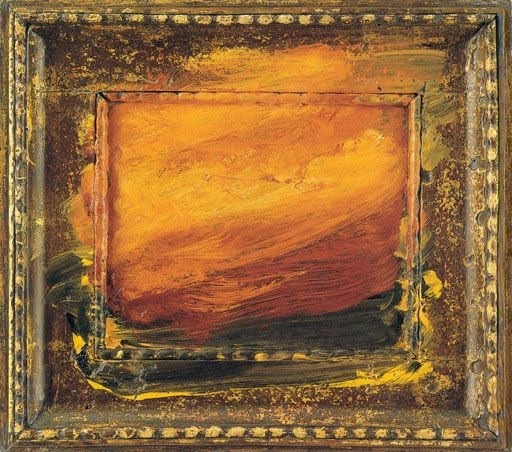
In response to my last blog entry, I remembered a painting by Howard Hodgkin which seemed to echo what I had written. It’s called ‘Old Sky’ and it’s a painting which, for me, is about the idea of that continuous cycle of time; of many cycles (single days) embedded in the cycle of years (which in terms of the pottery shard becomes a cycle of centuries).


The painting is an image of the end of a day and the remembered image of hundreds of days lost to memory and beyond. It’s about the act of remembering and the way the paint is applied to the frame becomes an attempt to reach beyond the limits of memory, to live again in the world when the memory was first formed. It’s almost frantic; an attempt not to forget what will certainly be forgotten. The frame remains intact, an acknowledgement perhaps that to relive a time that’s passed is impossible; that all that remains, inevitably, is a fragment of what has been.

As I alluded to in my blog, the relationship between colour and movement interests me a great deal and with this painting we have both colour and movement;  movement when the painting was made and the movement of the act of remembering itself. For me, this reflects the idea of the cycle of a day and its relationship to the cycle of centuries; the relationship between the leaf and the pottery shard found during the dig. When I look at the pottery shard (below) I try to picture the world from which it has come. It’s as if the edges of the shard are like the edges of the painting, and while we can’t return to the world from which the shard has come, we can with the aid of the present attempt to imagine it.


I wrote in my last blog entry how when I dug the shard out of the ground, the colours at once melted back into the world from which they’d been estranged. This idea serves to illustrate that of moving beyond the frame or the edges of the shard in an attempt to re-imagine the past; how the act of remembering is as much to do with the body as the imagination – how it’s a fusion of the two; a product of an embodied imagination; one which moves in the world just like those with whom we seek to empathise.


Filed Under: Uncategorized Tagged With: Colour, Fragments, Howard Hodgkin, Memory, Movement, Nowness, Pottery

Leaf and Shard

October 17, 2011 by Nicholas Hedges

Out of a small pile of earth, greyish-brown in colour, a piece of brightly glazed pottery appeared as I scraped with my trowel. Although only a few centimetres across it was nonetheless striking given the colours of its glaze; an orangey-yellow and warm reddish-brown, as vivid perhaps as when it was a whole piece of pottery in use however many centuries ago.


Colour, in this example, becomes for me a vehicle for a more empathetic engagement with the past (a theme central to my work). The colour of the sky, the apples on the trees, the trees themselves and the grass were one with the colours of this small fragment of pottery, which until that moment had remained hidden for (perhaps) hundreds of years. It was as if, rather than a shard of pottery, a piece of colour (or colours) from a day hundreds of years ago had lain buried in the soil; colours which at once melted back into the world from which they’d been estranged so long .

Pulling this shard from the almost monochromatic soil, was like looking at an old black and white photograph, where one imagines colour then movement. And looking up at the chapel, at the world moving all around me, I could, in that split second, glimpse the mediaeval past, acknowledging that that distant time was (although very different) just like the world today; there were colours and movement, experienced by individuals just like me and whoever had used whatever the fragment had once been a part of.

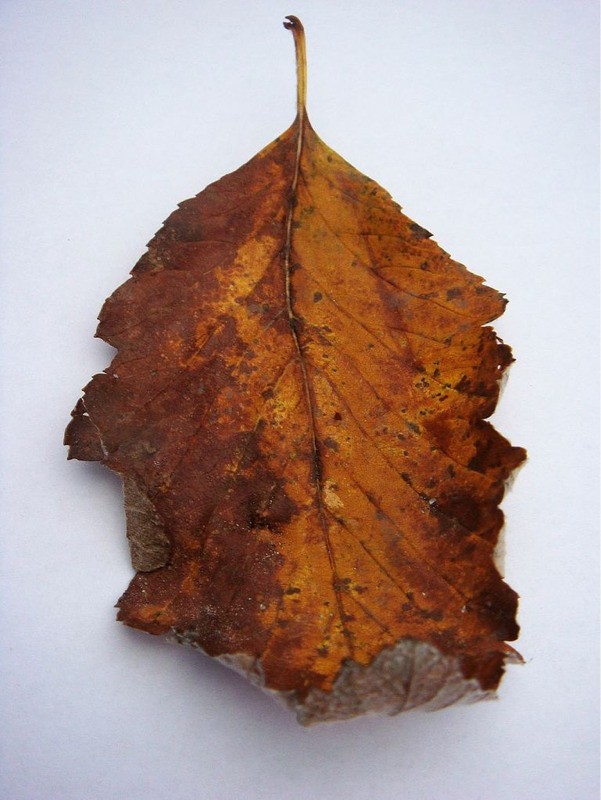
A little later as I continued to dig, I found a leaf inside my trench which had blown in from the side. The colours were very similar to that of the pottery (although they have darkened since). And once again this link between the past and present came to the fore. I was thrown back to a mediaeval autumn and imagined autumn in that very spot centuries ago. Like a chain reaction, I imagined the buildings, the road nearby, the walk into town. What was Oxford like at the time as the world moved towards the winter?


This single leaf (pictured above) is pregnant with the passage of time, the unrelenting march of time through another year, towards its end. The colours are like a sunset; the end of a year, the end of a day. But after night comes morning and after winter, the promise of spring. This idea of a continuous cycle seems embodied in both the leaf and the shard. One is young, the other very old – they turn or move in different ‘orbits’ – but nonetheless, in their colours, they have something in common; something I have in common with the individual who owned the pottery (from which the fragment comes) centuries ago; that is, we are part of the same world.

Filed Under: Archaeology, Trees Tagged With: Archaeology, Colour, Fragments, Leaf, Movement, Nowness, Pottery

GPS Pot

October 1, 2011 by Nicholas Hedges

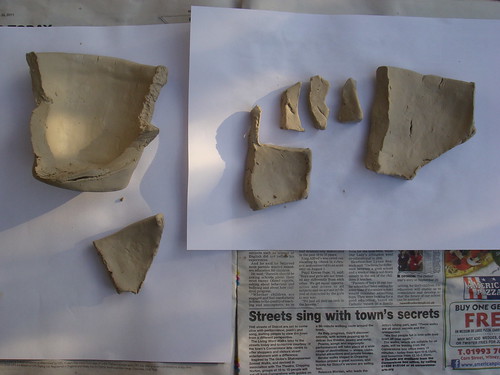
Just as I’ve been working using stitched fragments of canvas (to convey the idea of the past as being a reimagined collection of pieces ‘stitched’ together in the mind) I’ve also started using pottery; creating pots and cracking them, using lines based on GPS data.

The vocabulary of the ‘find’ is what interests me; the fragments of movement (which the shards of pottery reflect) reassembled to create an approximate whole. It’s new work and the following images are first attempts (the pieces have yet to be dried and reassembled) using a coil pot built with self-drying clay.

No doubt subsequent pieces will be much more refined, using bigger pots and more detailed GPS data.

GPS Pot

Filed Under: Uncategorized Tagged With: GPS, Positioning, Pottery

Mediaeval Pottery

June 10, 2009 by Nicholas Hedges

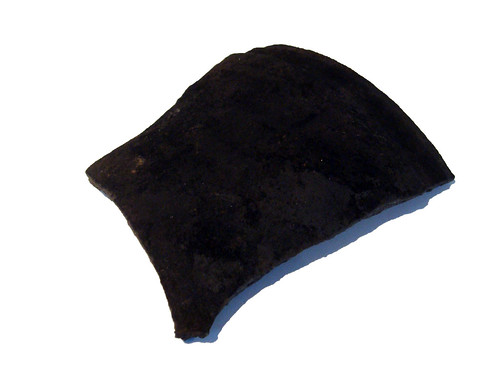
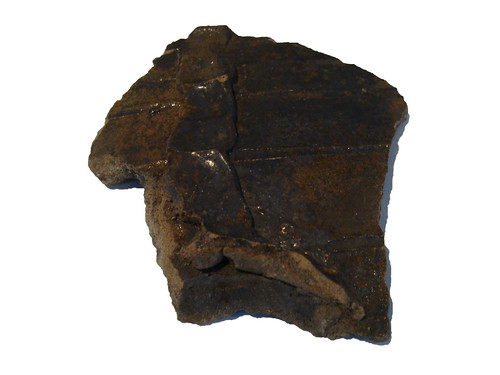
As part of a future project I have been loaned two fragments of mediaeval pottery by the Museum resource Centre at Standlake, Oxfordshire. I visited the MRC today and with their help rummaged through a few box-loads of pottery shards and decided on the two pictured below.
Mediaeval Pottery Shards

Mediaeval Pottery Shards

Both pieces are mediaeval and were found around the Trill Mill Stream area of Oxford during an excavation in 1985.

Filed Under: Archaeology, Fragment Tagged With: Archaeology, Fragment, Fragments, Pottery

© Nicholas Hedges 2024

  • Facebook
  • Instagram
  • Twitter
  • YouTube

Copyright © 2025 · Outreach Pro on Genesis Framework · WordPress · Log in