Nicholas Hedges

Art, Writing and Research

  • Amazon
  • Behance
  • Facebook
  • Instagram
  • Pinterest
  • YouTube
  • Art
    • Digital
    • Drawing
    • Grids
      • Correspondence
      • The Wall
      • The Tourist
    • Ink on paper
      • Shadow Calligraphy
    • Installation
      • Murder
      • Echo
    • Painting
    • Patterns
    • Mixed Media
    • Photographic installation
      • St. Giles Fair 1908
      • Cornmarket 1907
      • Headington Hill 1903
      • Queen Street 1897
    • Research/Sketches
    • Stitched Work
      • Missded 1
      • Missded 2
      • Missded 3
      • Missded 4
    • Text Work
  • Blogs
    • Family History
    • Goethean Observations
    • Grief
    • Light Slowed But Never Stilled
    • Lists
    • Present Empathy
    • Shadow Calligraphy
    • Trees
    • Time
    • Walking Meditations
  • Video
  • Photography
    • Pillars of Snow
    • Creatures
    • The Trees
    • Snow
    • St. Giles Fair 1908
    • Cornmarket 1907
    • Headington Hill 1903
    • Queen Street 1897
    • Travel
  • Illustration and Design
  • Music
  • Projects
    • Dissonance and Rhyme
    • Design for an Heirloom
    • Backdrops
    • Shadow Calligraphy
  • Exhibitions
    • A Line Drawn in Water
      • Artwork
    • A Line Drawn in Water (Blog)
    • Mine the Mountain 3
      • Artwork
    • Mine the Mountain 2
      • Artwork
      • The Wall
    • The Woods, Breathing
      • Artwork
    • Snow
      • Artwork
    • Echo
      • Artwork
    • Murder
      • Artwork
    • The Tourist
    • Dreamcatcher
    • Mine the Mountain
      • Artwork
      • The Tourist
    • M8
    • The Gate
    • Creatures
      • Artwork
    • Residue
      • Artwork
    • A visit to Auschwitz
      • Artwork
  • Me
    • Artist’s Statement

Childhood Landscapes

October 15, 2014 by Nicholas Hedges

‘I can see him now,’ my Nana told me, talking about her dad, ‘because he went up our garden over the road and the mountain started from there up… and he’d go so far up and he’d turn back and wave to us, and if we went out to play, our Mam would say, “you can go up the mountain to play…” but every now and then our Mam would come out in the garden and we had to wave to her to know that we were alright you know… always remember going up the mountain…’
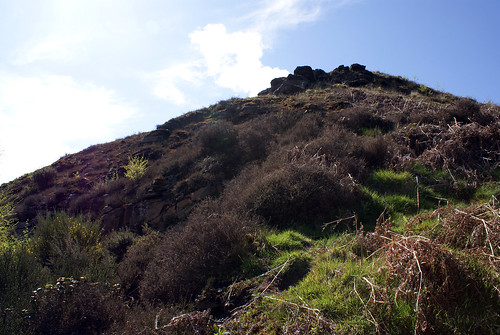
Hafodyrynys and Surrounds
Nana’s mountain

I interviewed my Nana in 2007, the year before she died. What she was describing was a scene from her childhood landscape in the years after the First World War. During the Second World War, a young boy called Otto Dov Kulka was a prisoner in Auschwitz-Birkenau. He recalls his childhood landscape thus:

“The colour is blue: clear blue skies of summer. Silver-coloured toy aeroplanes carrying greetings from distant worlds pass slowly across the azure skies while around them explode what look like white bubbles. The aeroplanes pass by and the skies remain blue and lovely, and far off, far off on that clear summer day, distant blue hills as though not of this world make their presence felt.”
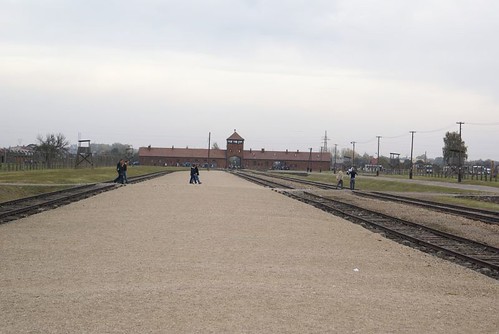
Auschwitz-Birkenau
Auschwitz-Birkenau

In previous blogs I have described my childhood landscapes, both real and imagined; most recently in the context of childhood landscapes pre World War I, this time of two girls who lived in what is now Bury Knowle Park in Headington, Oxford.
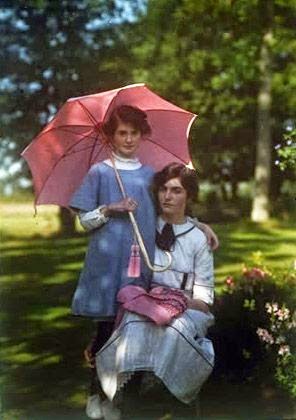
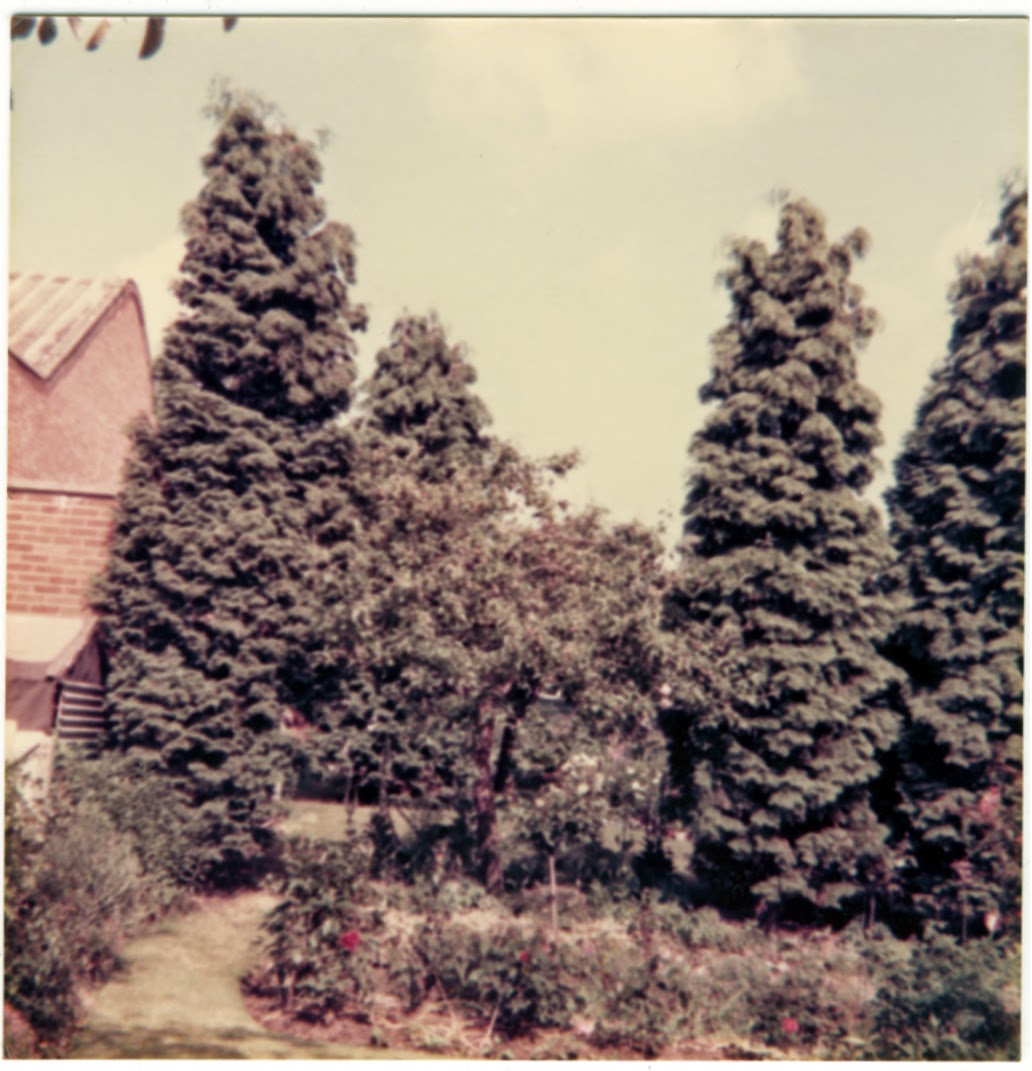
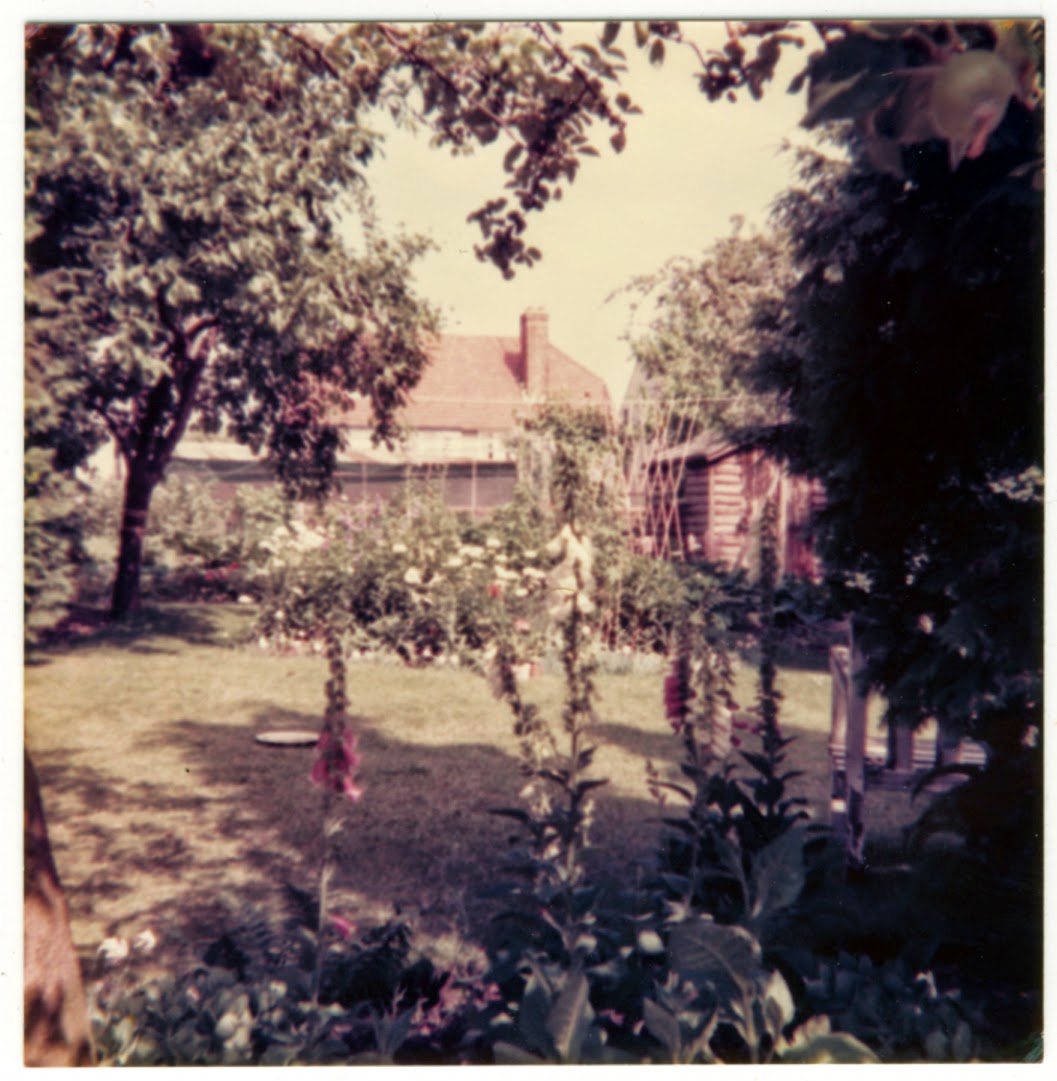
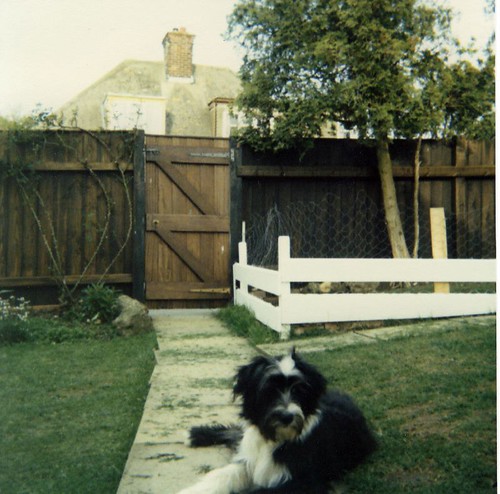
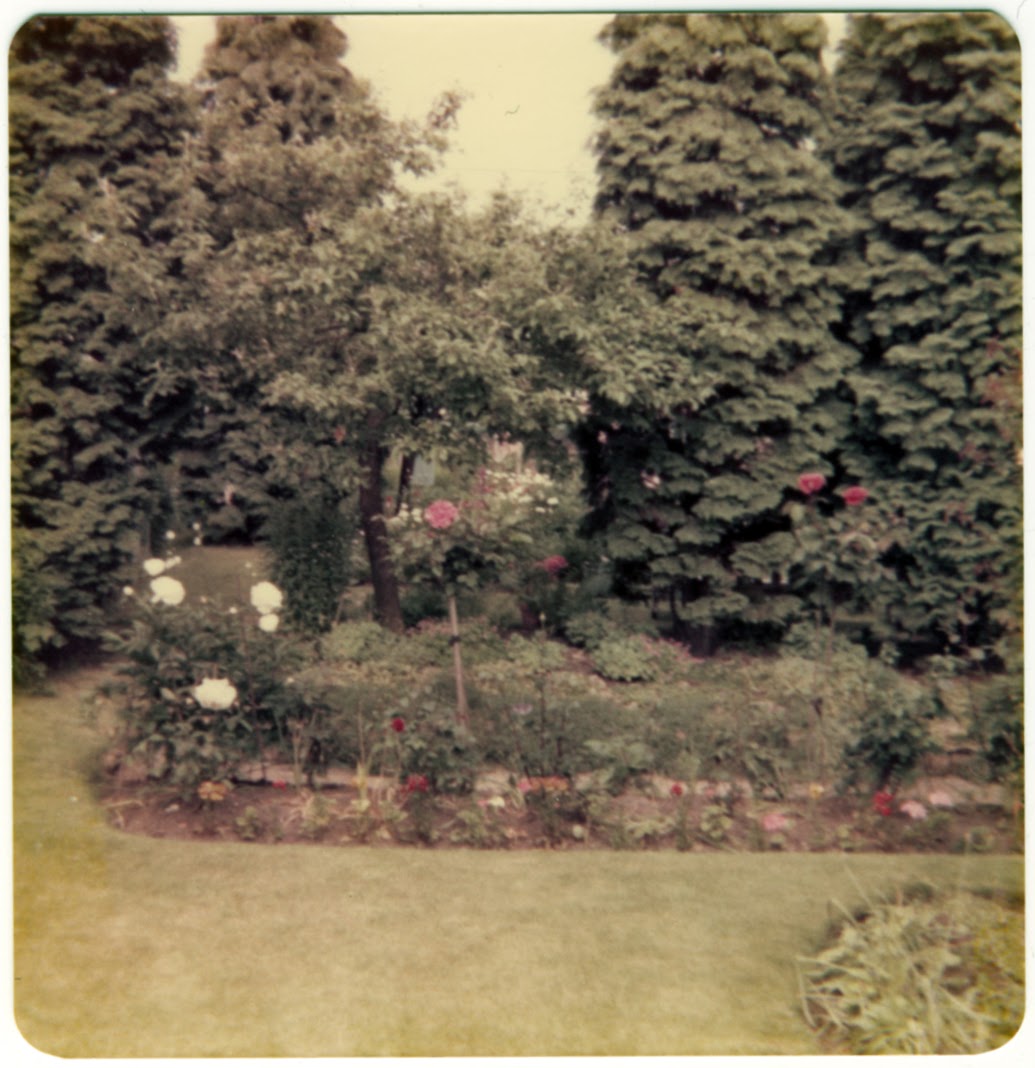
My childhood landscapes are bound up with journeys to and from my grandparents’ houses and in particular, my Nan’s garden (pictured below) also in Headington.
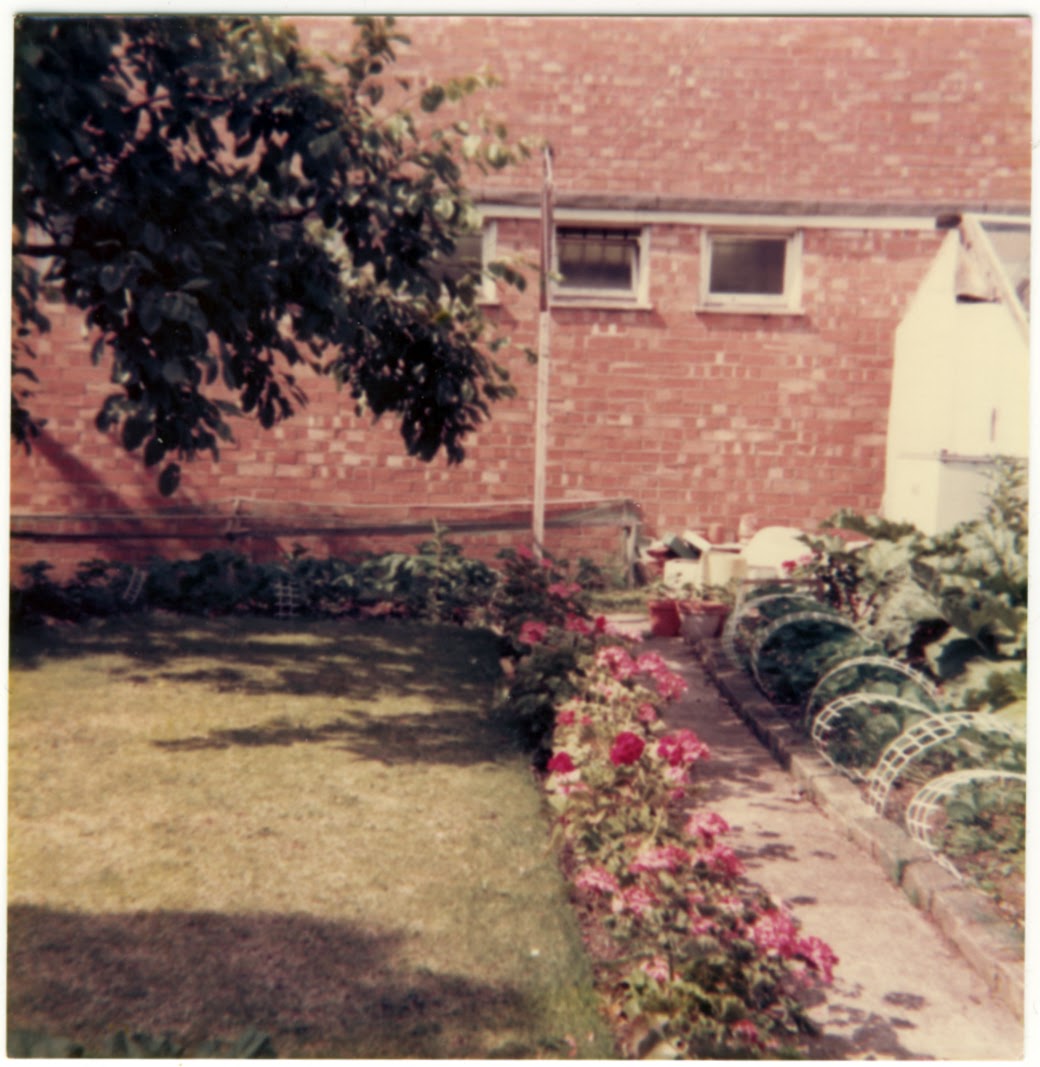
I have walked in all these places; in my grandparents’ garden; in Bury Knowle Park, on the ‘mountain’ in Wales and in Auschwitz. I spent many happy years in the garden of my childhood home (which has all but disappeared under a vast extension to the house).
Sukey

Filed Under: Holocaust Tagged With: Bury Knowle Park, Childhood, Gardens, Holocaust, Imagined Landscapes, Landscape, Memory, Nana

Proxies

August 21, 2014 by Nicholas Hedges

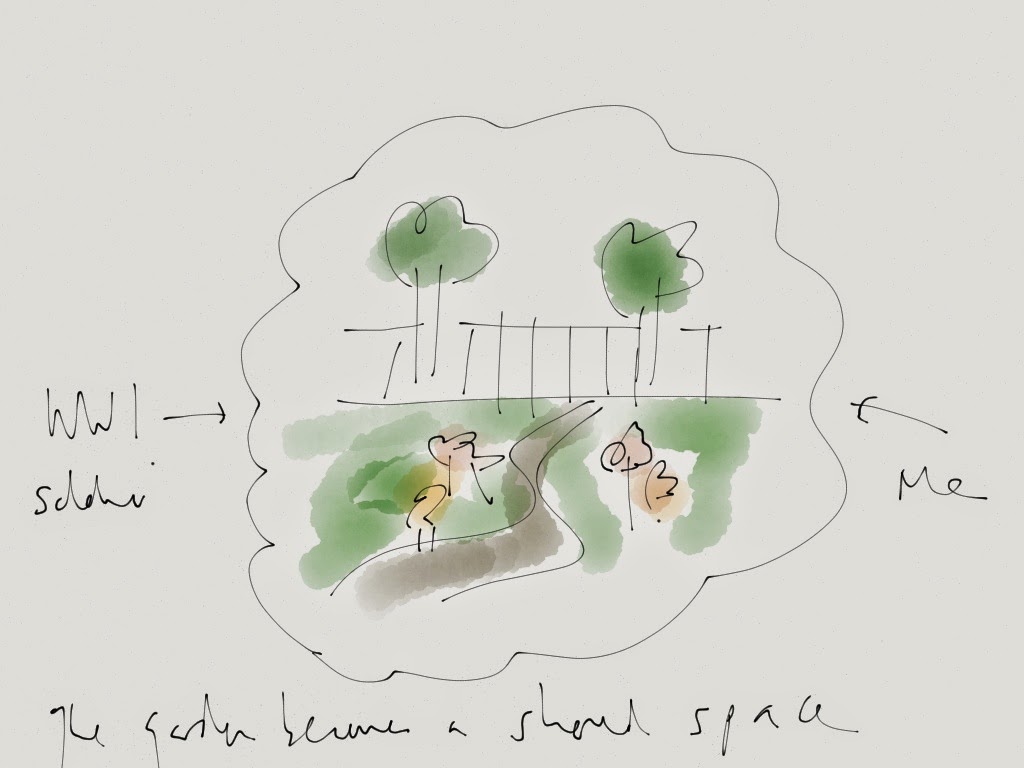
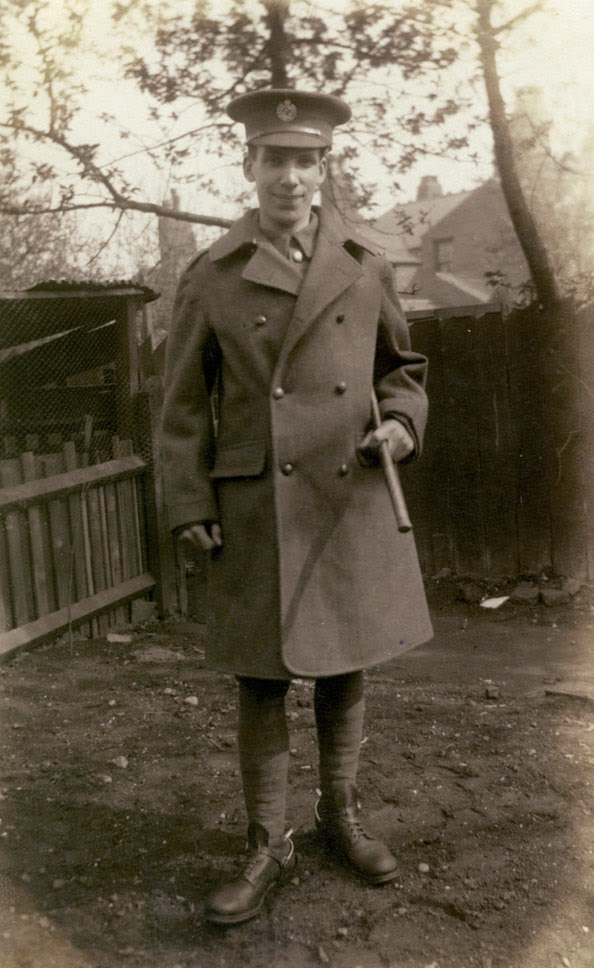
Following on from my last entry I’ve been wondering whether an empathetic link between ourselves and those who fought and died in the First World War can – based on Paul Fussel’s quote regarding “moments of pastoral” (“if the opposite of war is peace, the opposite of experiencing moments of war is proposing moments of pastoral”) – be found in the idea of the garden.

Can the garden – that domestic, pastoral space – become a space of memory and, therefore, experience shared with those who died in the violent landscape of the Western Front?

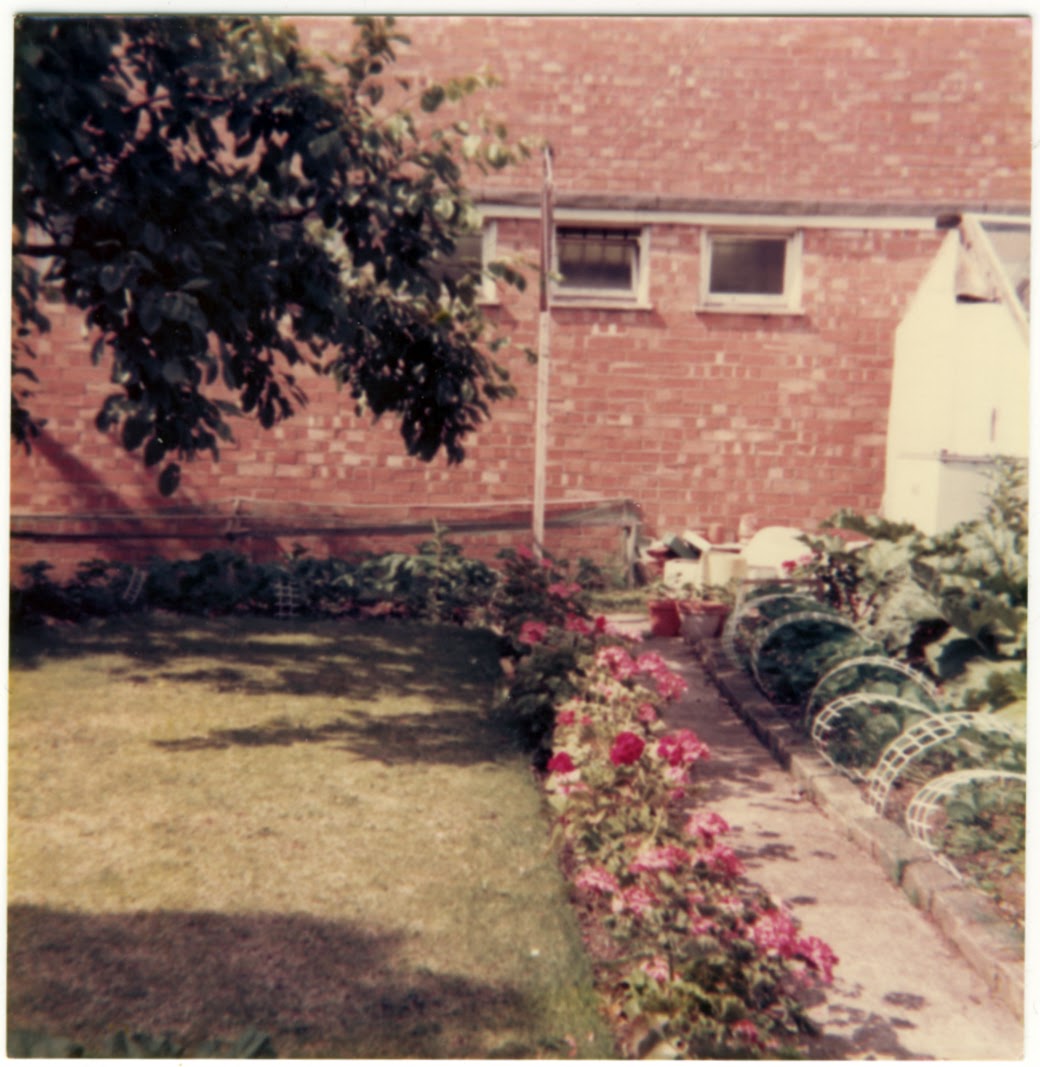
My grandparents’ garden in Oxford in the late 1970s
One of the main difficulties faced in trying to empathise with individuals who lived and died before we were born is that to think them alive we must think too of our own non-existence (and if we’re imagining our own non-existence we cannot truly empathise). Furthermore, experiences of people such as victims of the Holocaust or World War 1 soldiers are so far beyond our own, it’s impossible, even with a keen imagination, to bridge that divide.

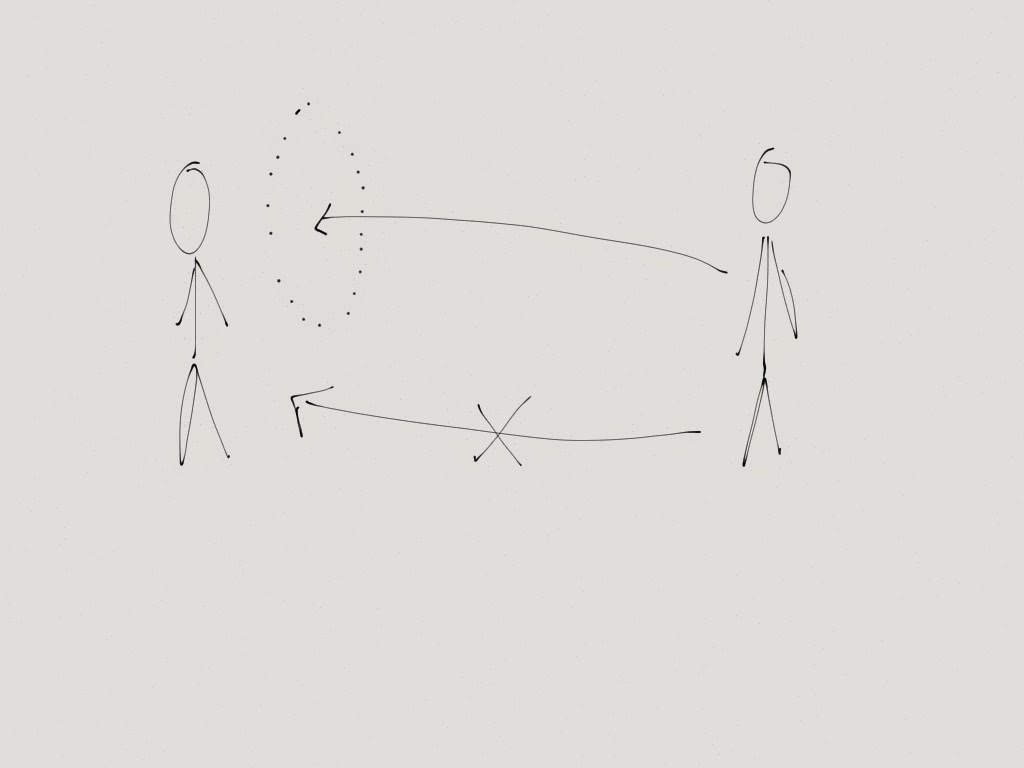
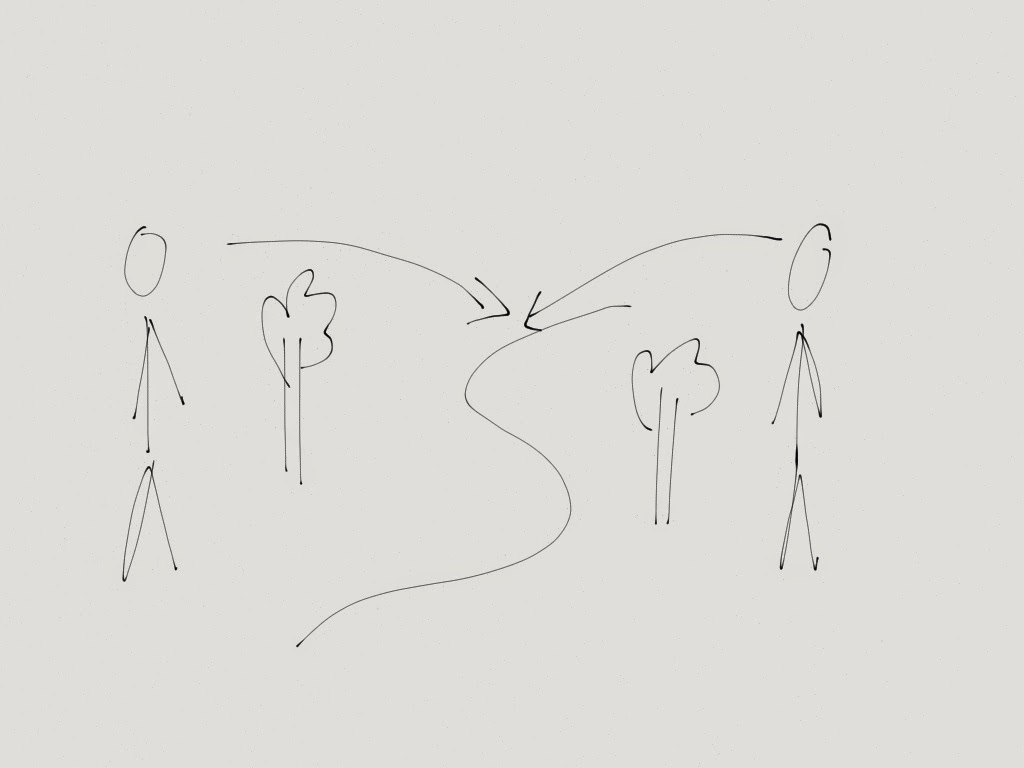
We therefore need a proxy, and that proxy is place. Being in a place where an historic event has taken place can help us empathise, in that we can do so through a shared experience of that particular place or landscape.

This was certainly the case for me at Auschwitz where it was through observing the trees that I could best empathise with the people who were there, even though their experiences were so unimaginably different.

Trees at Birkenau

(One might imagine that a consideration of non-existence might lead to empathy through a shared consideration of death, but as Jean Amery wrote:”Dying was omnipresent, death vanished from sight.”

Non-existence bears only a passing resemblance to death and non whatsoever to dying.)

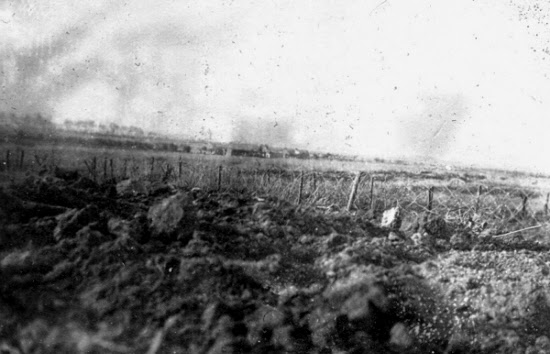
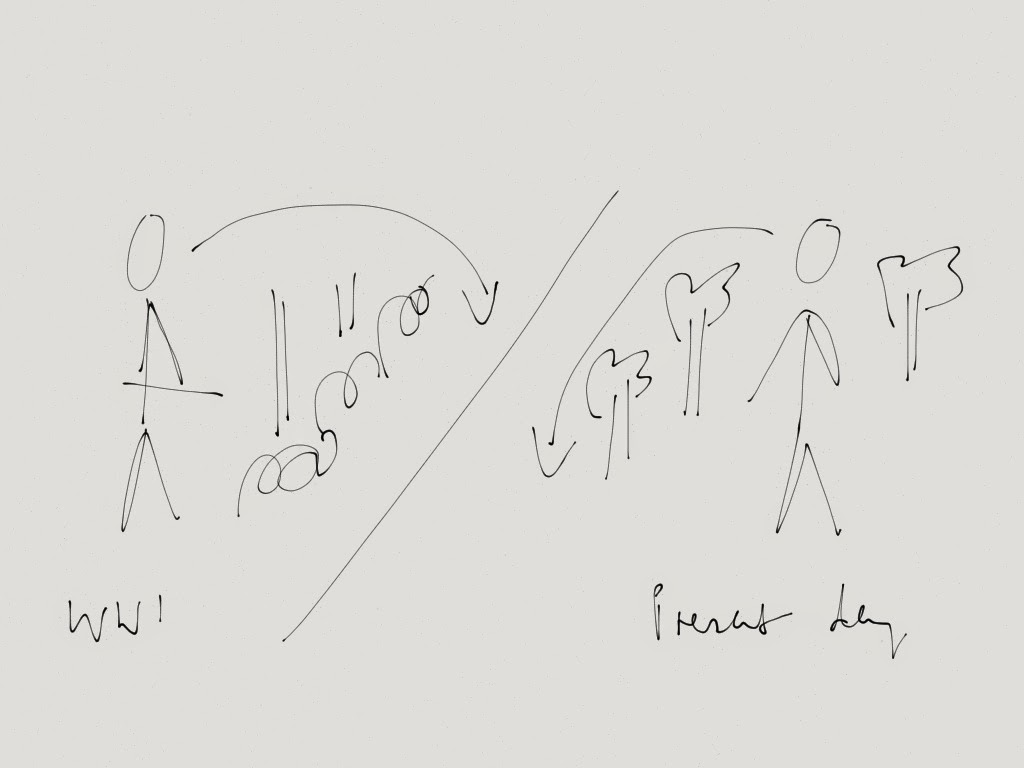
With soldiers of the First World War it’s also impossible for us to empathise with what they experienced. We can empathise through being in the landscape of Ypres or The Somme – i.e. we can empathise through a shared experience of presentness, of, in effect, being alive – but the fact the landscape looks so different today makes this especially hard.

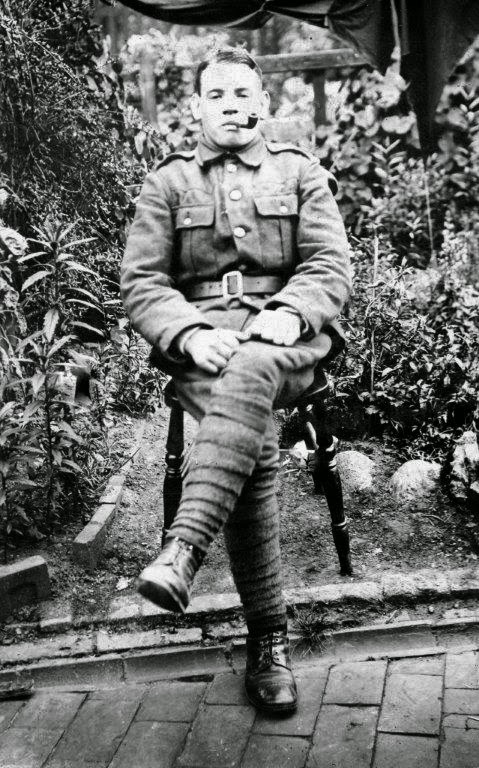
Mouse Trap Farm c1915 – a place near where Jonah Rogers fell

Paul Fussel’s quote however helps us begin to bridge that divide: the concept of the garden, that pastoral space on a domestic scale, becomes the proxy – a space which we in the present could be said to have shared with many of those who fought in the war.

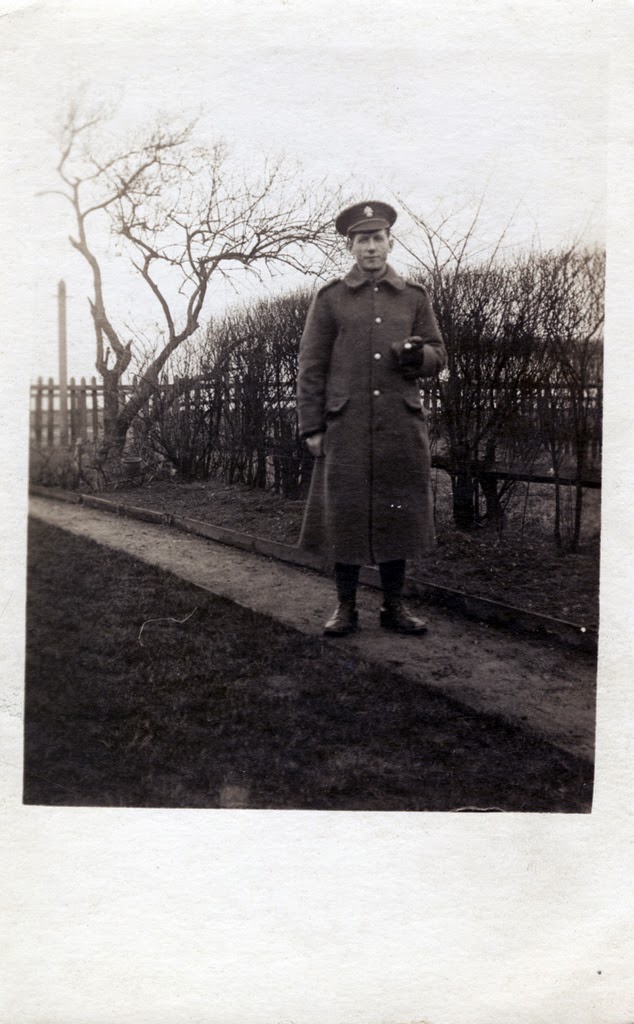
My Grandparent’s garden is as much a part of the past as the garden in which Jonah (above) is sitting. It’s almost as if the past becomes a single remembered landscape – a garden in which we can find those who lived and died long before we were born.

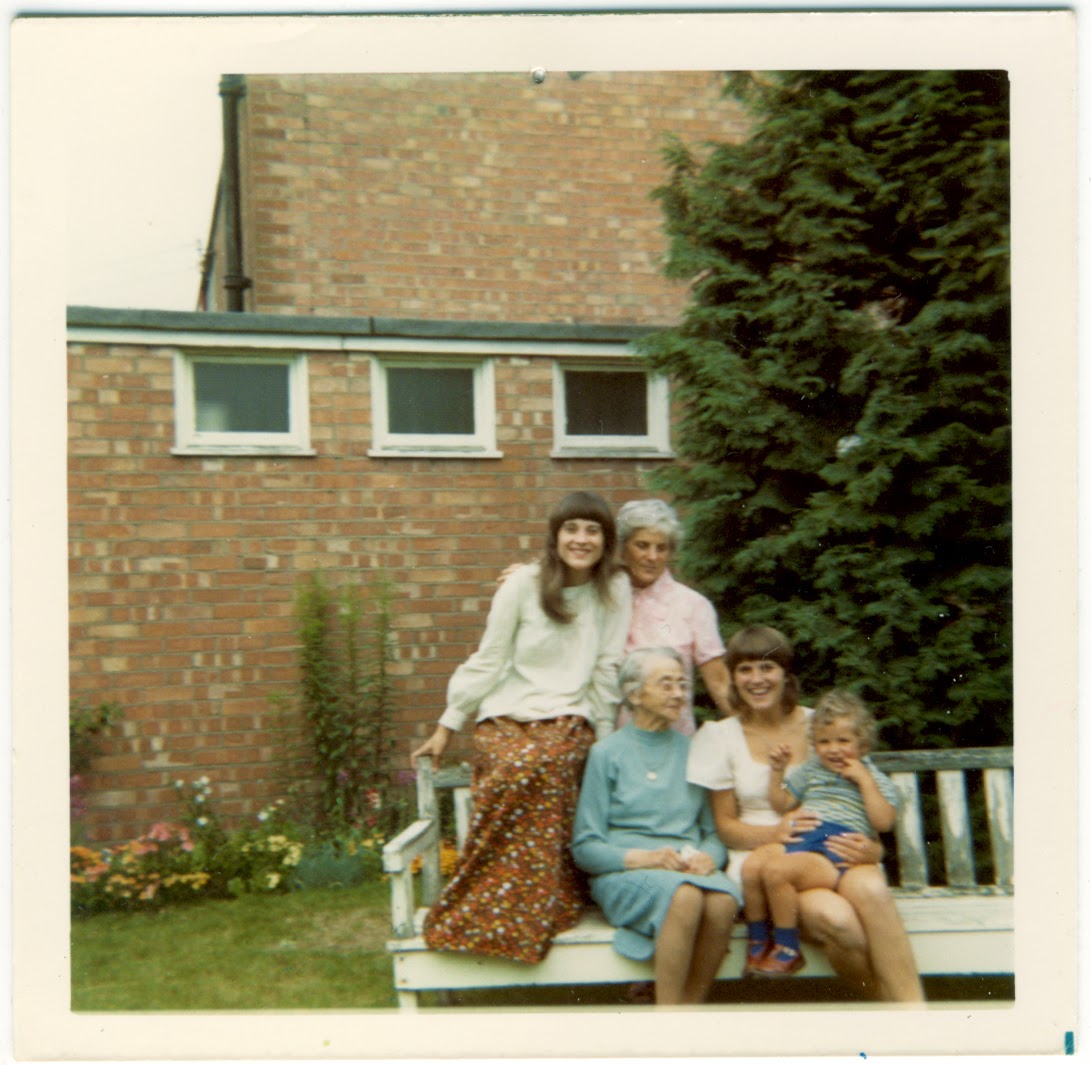
Me as a small boy with my mum, nan, aunt and great-grandmother (born in 1878)

Filed Under: Trees, World War I Tagged With: Empathy, Imagined Landscapes, Landscape, Memory, Nowness, Pastoral, Paul Fussell, Proxies, WWI, WWI Postcards

Family Tree

November 20, 2007 by Nicholas Hedges

With both my Grandmothers still with us (both were born in 1912), I’m very fortunate to have living connections with the late nineteenth century. When they talk about their childhoods and youth, they are describing a world which has always seemed completely alien to that in which we live today, and using one’s imagination, to go beyond that world, further back into the past, that place, the world, becomes stranger still. This world, when conceived within the imagination is like a fiction. In a talk I gave as part of my residency at OVADA in May 2007, I stated that:

“…as a child, I liked to create and map worlds; countries which I would build from fragments of the world around me; forests, mountains and plains – unspoilt landscapes. And in these worlds there would exist towns and cities, created from ‘the best bits’ of those I had visited. 

These invented worlds became, as I grew up, the ‘invented’ or imagined landscapes of Oxford’s past; landscapes that were – just as they still are – created from fragments, parts of the past which are still extant in the city; old buildings, walls, objects and so on. Between these structures, these fragments, I would fill the gaps, with my own imagination, with thoughts derived from my own experience. The city’s past and the past in general, as it exists within my mind, is then, to use the metaphor of cloning in Jurassic Park, a cloned dinosaur. The extant buildings, structures and objects within museums, are like the mosquitoes trapped inside the amber. They are broken strands of DNA. All that is required is for me to fill the gaps, and this I can do with my own DNA. I am in effect, the frog.”

I will return to the frog later.

All I knew prior to my research, was that part of my family, on my father’s side, came from South Wales and worked in the mines, and that my family on my mother’s side heralded from Reading. My paternal grandfather was always an Oxford man and his family had been in the area for generations. My maternal great-grandmother (born in 1878 and who I can remember) was said to have come from Suffolk and was the daughter of a farmer (Norfolk as it would transpire).

Researching the family tree quickly becomes, not so much obsessive, but rather, compulsive; necessary. The dead, and at that, the anonymous dead, come back to life and make themselves known to you, and, what is more compelling, one feels oneself become more solid, more flesh and blood than ever before; one begins to exist in four dimensions rather than simply three (as if we, in the present, are not really a part of time) becoming part of a network whose strings vibrate like those plucked on an old musical instrument – whose sound, although feint, can nonetheless be heard or even felt. It’s rather like plugging a short-wave radio into the vast network of cables that comprise the national grid, and listening to the distant voices of ancestors telling you who you are; crackling like the damp wood of a fire which will never quite go out.

What has particularly interested me, aside from the obvious personal interest in finding lost relatives (one is also taken aback by the sheer volume of living relatives one must have but which one doesn’t know about), is how the whole project fits in so precisely with what I have been doing with my artwork; finding and identifying with the anonymous dead buried in the traumas of history, placing myself in the spaces of the past which have witnessed the most terrible catastrophes – placing myself, in effect, in the panorama of history itself. Through doing this over the past year, history has become overwhelming, its incomprehensible size as impossible to grasp as the distance of the stars. But through locating myself in the personal panorama of family history, History itself becomes a little less overwhelming; events of the past become known through great-great grandmothers and fathers – they are personalised, and yet, with this list of names and dates and with this new geography of the past, dwelling as it does in the villages of Monmouthshire and Norfolk, Lincolnshire and Oxon, one’s own impossibility is augmented still further. What were the chances of my great-great grandfather, Jabez, meeting his wife Elizabeth (what were the chances of either of them being born) and then having their son Albert? What were the odds against him doing everything he did in life exactly as he did; meeting my great-grandmother Elizabeth and having my grandfather Norman? The further one goes back into the shadows of family history, the less likely and more impossible one becomes, and this heightens, to a dramatic effect, one’s sense of place in both time and space.
Again, from the talk I gave as part of my residency, I stated:

“This metaphor [the frog and the dinosaur] is interesting in that DNA patterns are, of course, unique to everyone. My DNA is different to everybody else’s as there’s is to mine. Therefore, using my imagination to plug in the gaps of the past, means that the ‘past’ will comprise large parts of my own experience; my dinosaur will contain elements of my own being. But although my DNA is unique, it is nonetheless derived from my own past, elements have been passed down by my ancestors from time immemorial. The code which makes me who I am, comprises parts of people I know now (parents and grandmothers), people I knew (grandfathers and great-grandmother) and people lost to the past altogether (great-great grandparents and so on) [people whose names have since I wrote this become so familiar I feel as if I knew them, or rather know them]. What interests me about this, is that, through stating above how ‘my dinosaur will contain elements of my own being’ I can now see that it will also comprise elements of hundreds – indeed thousands – of people, the majority of whom I will of course never know and who have been dead for centuries. I like to think therefore, that ‘my dinosaur’ and my imagination aren’t entirely unique.
The philosopher Henri Bergson says of the past:
‘I believe that our whole physical existence is something just like this single sentence… I believe that our whole past still exists.’
Given that DNA strands are made up of letters I found this quote particularly interesting.”

The further back in time we go, the less unique we become, at least in terms of our DNA, and therefore, our individual dinosaur, that subjective sense of History created from fragments of the past (objects, buildings etc.) is increaingly attenuated; less individual and less subjective, because the ‘DNA’ (our individual selves) with which we plug the gaps is derived from that of hundreds, indeed thousands of people. That very history we are seeking to build inside myself is already there. What is more, the further back we go, with each step and every generation, the wider the family net is thrown and the greater number our number of relatives. Things which happen to other people, things on the news and so on, could be happening to people with whom we share a common past; and indeed, the same is true of events in the past. Separated by time and space, we may in fact be linked by the very fact of existence.

Filed Under: Family History Tagged With: DNA, Family History, Imagined Landscapes, Landscape, Maps, Nan, Nana

Imagination and Memory

April 6, 2007 by Nicholas Hedges

Like many others, my imagination has played a central role in my life ever since I was a young boy, and recently, in connection with my recent work, I’ve been thinking about that role and how it has changed as I’ve grown up. As a child, I lived much of my life within imagined worlds; fictional countries which I would map and for which I would create entire histories. I would inhabit these places, hidden from everyone else, and while I walked, I would be walking not in the real world, but in my mind. I can still to this day remember one particular map in all its detail; the mountain ranges, the plains, the forests which were always a particular favourite of mine. I can even list the names of the towns and cities (Aquidos, Anasrehlon, Varimeere), yet while this ‘place’ has remained unchanged, whilst my imagination as a place is only a little different (one might say that the country I created was a map of my mind) the uses made of my imagination have altered. As a child I imagined the imagined, as an adult I imagine reality, and often the unimaginable.

Going back to my childhood, my imagination provided me with a means of escape (not that I needed to escape anywhere – I was fortunate enough to have the perfect upbringing). I’d always wanted to see the world unspoilt, an Arcadian vision without cars, planes, pollution, machines or any trace of the modern. And in a sense, this is I believe, what first fired my interest in the past. As a child and well into my teens – and perhaps early twenties – my interest in history ended at the late 17th century, certainly well before the Industrial Revolution, when the modern world began to develop and my vision of a rural Arcadia began to collapse. In some ways, my imagined world was a pick of the best bits of the (somewhat idealised) past; the ancient sprawling forests, beautiful timber-framed houses. When I looked at an old pair of 16th century shoes, a bottle from a 17th century tavern, I was picturing their place in a comparatively unspoiled landscape.

Of course, as a child, my impressions of the past were, as I said, somewhat idealised; they were little more than romantic impressions of an untamed idyll. In reality of course, the past, at least on a human level was, I came to understand, far from romantic; life was short, harsh and often brutal. So as I grew older, and while I still used my imagination to find my way back into the past, I didn’t imagine the imagined, but rather, as I said earlier, the unimaginable: the reality of the lives of others.

In recent years, this change in emphasis has seen the boundaries of my interest in history widen to include the twentieth century; in particular the unimaginable horrors of the Holocaust and the slaughter of World War One. Yet although these very difficult subjects are far removed from the invented landscapes of my childhood, my memories of maps and the stories created within them, provide an interesting, and I believe vital counterpoint to my understanding of such subjects. One of the problems with studying the Holocaust (and indeed World War One) is not only the sheer scale of the suffering, but also the fact that often the victims of both are, in the eyes of history, just that: victims. To say otherwise, i.e. to say that they weren’t only victims, is not to take away from the terrible suffering they endured, but rather to emphasise it, to focus our minds; they weren’t only victims, they were people with lives both behind them and ahead of them; pasts that for many were happy. They all had childhoods, and perhaps imagined their own fantasy worlds. Many, caught up in the Holocaust, were still inhabiting them – they were still of course, children.

As I’ve said, as a child, I would walk and imagine myself in my invented landscape, but as I grew older, although I still walked and imagined myself elsewhere, it wasn’t within an invented world that I walked, but rather a real world; that of my home town, Oxford’s past. Of course one might argue that this past was a much a fabrication as the map I drew as a child, but nevertheless, it was constructed from fragments of the past – drawings, paintings, descriptions in books, photographs. I could never know for sure what things looked like, or how it must have been to walk through the city’s streets (for example during the 14th century) but my imagination did its best to conjure a picture. Of course, as well as those things listed above, there are parts of the city which are contemporary with the past and these buildings and streets are particularly important when looking for that which has long since gone; just as I have found in Auschwitz-Birkenau and Ieper.

One man who did so much to capture Oxford before much of its past was demolished in the late 18th century was a German artist and musician called John Malchair. His drawings are amongst the most beautiful and indeed haunting images of a city I have seen, particularly his views of Friar Bacon’s study, an unusual edifice which was sadly demolished in 1779.

One particularly poignant drawing (below) shows the remaining arch, when all above it has been taken down.

In my mind, as I walk, I suppose one might say I am often trying to rebuild Friar Bacon’s Study. Walking as a means of remembering then is important to me although it does throw up interesting philosophical questions (which I’ve touched on before) namely, what is it we are remembering when we ‘remember’ events which we ourselves have not experienced. As Paul Ricoeur asks in his book, ‘Memory, History, Forgetting,’ ‘Of what are there memories? Whose memory is it?’.

The invented world I ‘walked in’ as a child was a fiction, an amalgam of all the fragments of an unspoiled landscape which I could see in parts around me. And, in a sense, when ‘remembering’ the past of Malchair’s Oxford, the Great War and the Holocaust, I am creating a fiction of sorts – a world created from fragments; photographs, drawings, letters and documentary evidence. The past becomes my imaginary world.

So what is it which separates the past and my past imaginary landscapes? It is this: it is the theme of this residency; Residue.

Filed Under: Artist in Residence Tagged With: 18th Century, Artist in Residence, Holocaust, Imagined Landscapes, John Malchair, Memory, Paul Ricoeur, Residue, WWII, Ypres

© Nicholas Hedges 2024

  • Facebook
  • Instagram
  • Twitter
  • YouTube

Copyright © 2025 · Outreach Pro on Genesis Framework · WordPress · Log in