Following on from my last entry I’ve been wondering whether an empathetic link between ourselves and those who fought and died in the First World War can – based on Paul Fussel’s quote regarding “moments of pastoral” (“if the opposite of war is peace, the opposite of experiencing moments of war is proposing moments of pastoral”) – be found in the idea of the garden.
Can the garden – that domestic, pastoral space – become a space of memory and, therefore, experience shared with those who died in the violent landscape of the Western Front?
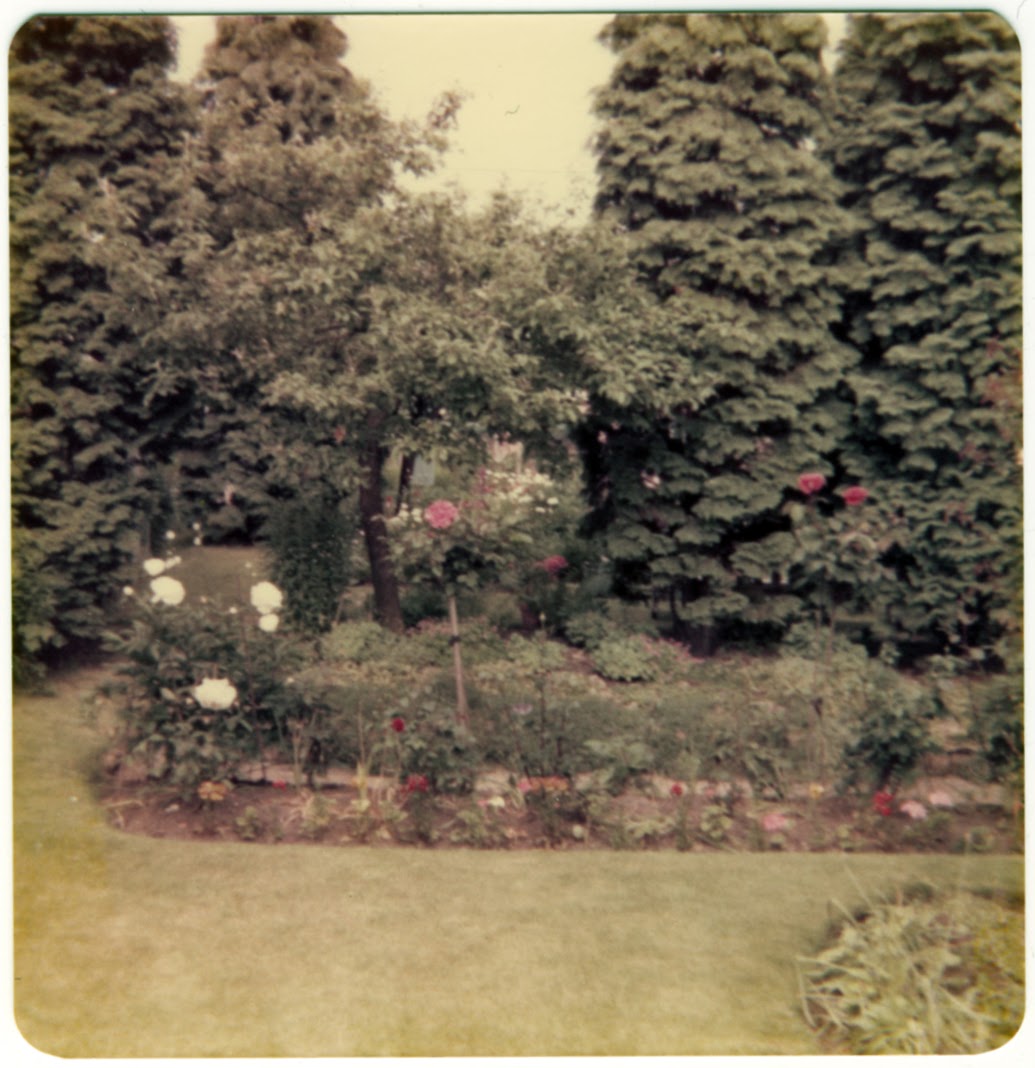 |
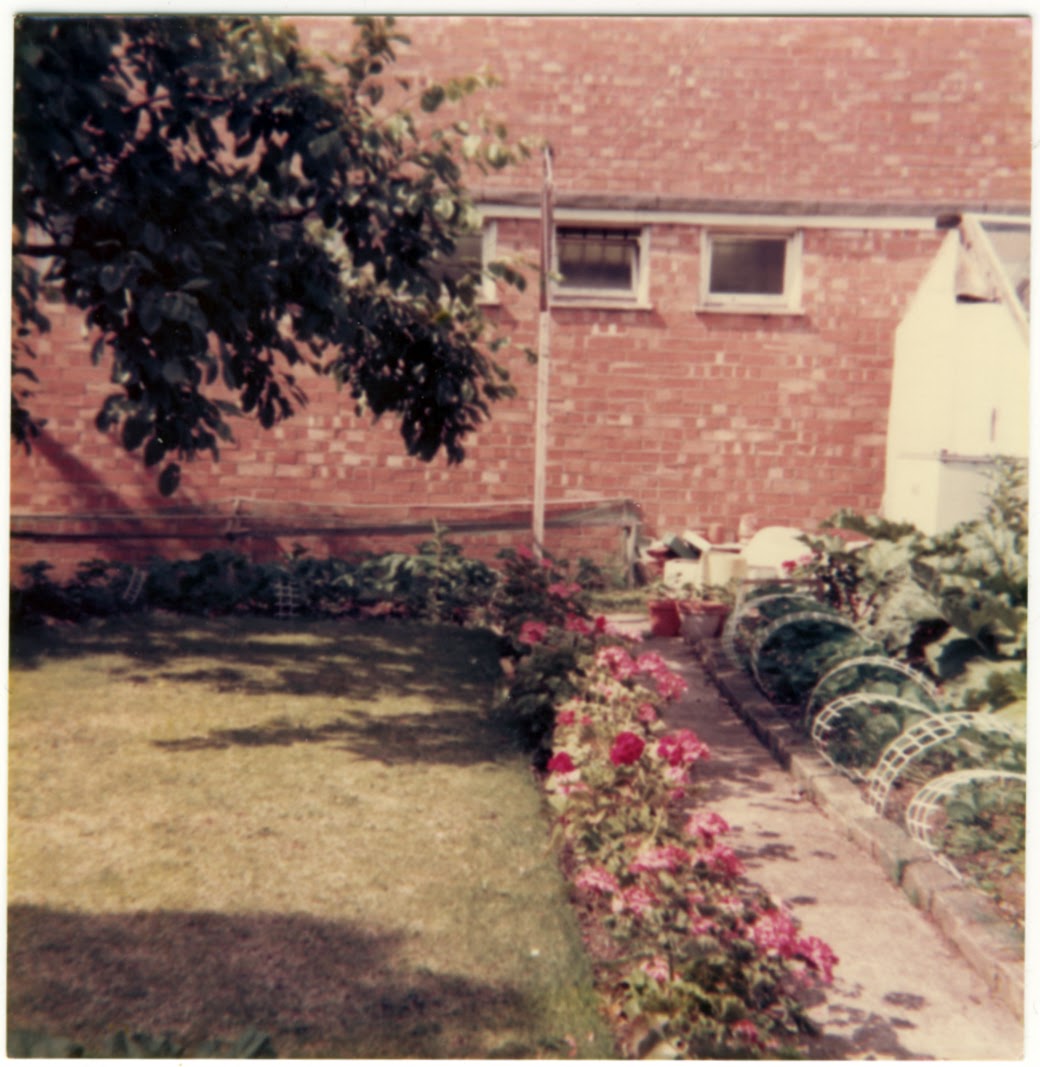
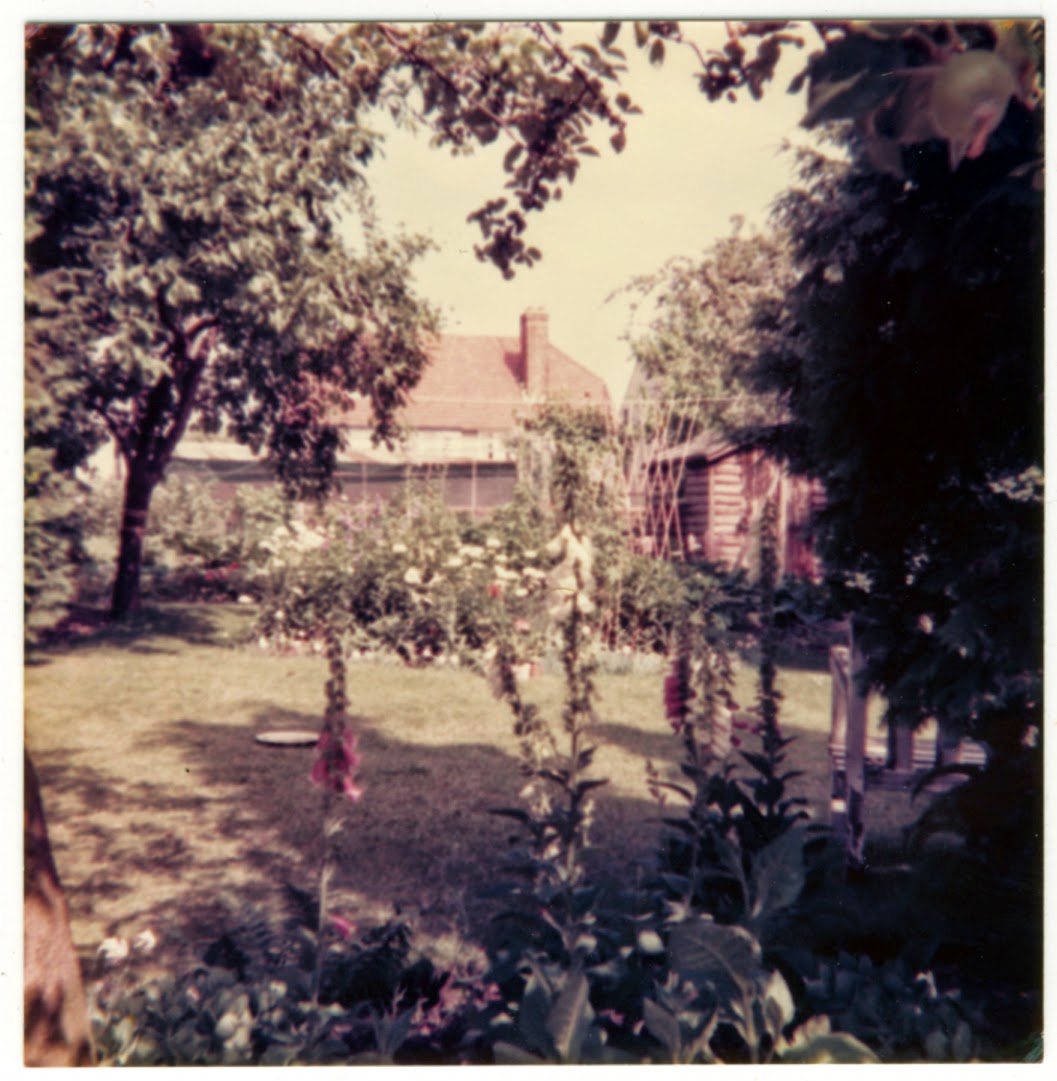
| My grandparents’ garden in Oxford in the late 1970s |
 |
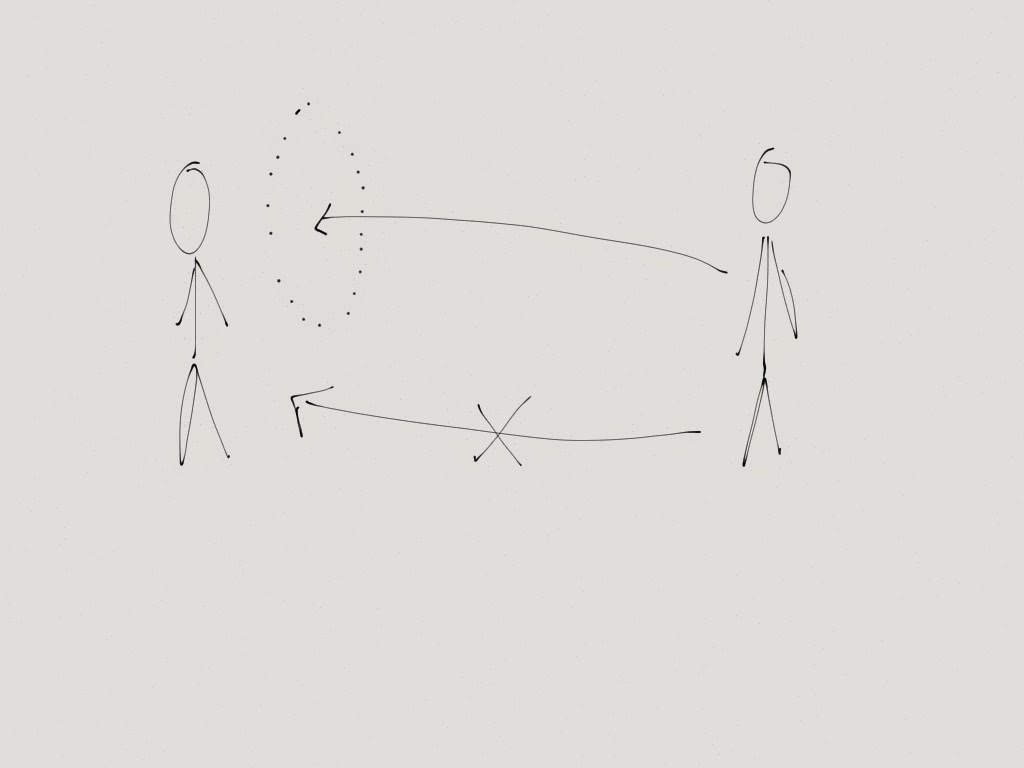
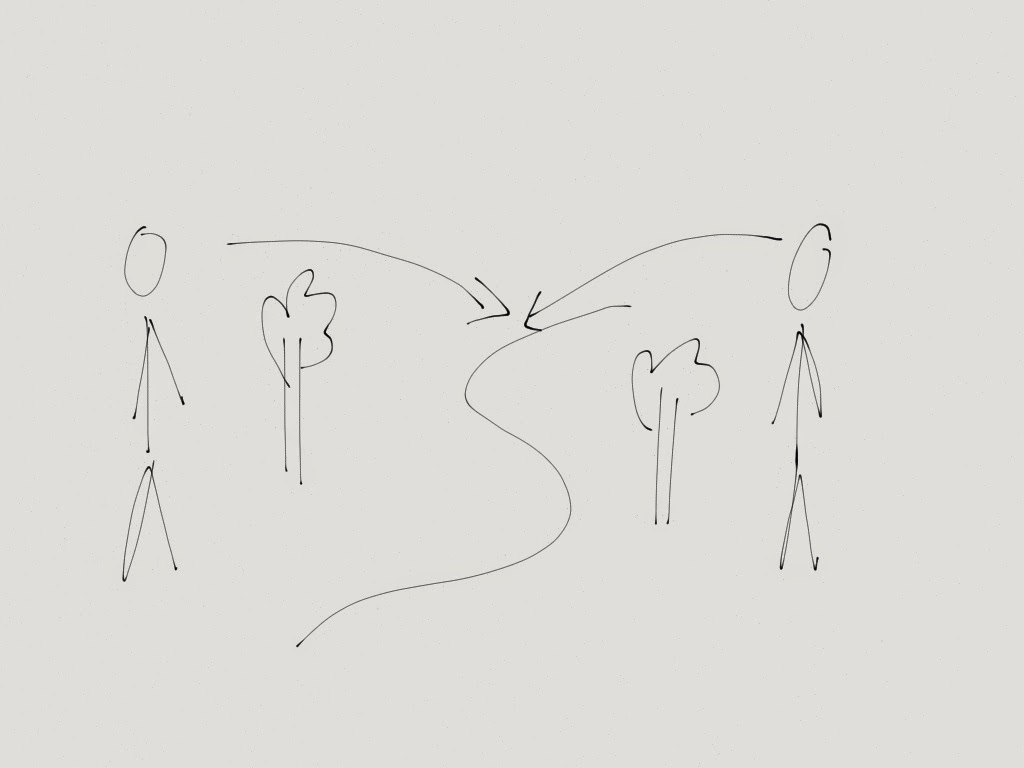
| Trees at Birkenau |
(One might imagine that a consideration of non-existence might lead to empathy through a shared consideration of death, but as Jean Amery wrote:”Dying was omnipresent, death vanished from sight.”
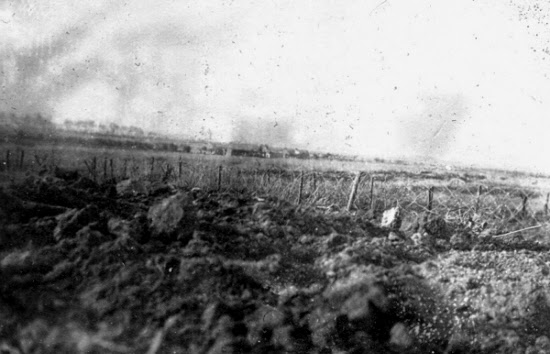 |
| Mouse Trap Farm c1915 – a place near where Jonah Rogers fell |
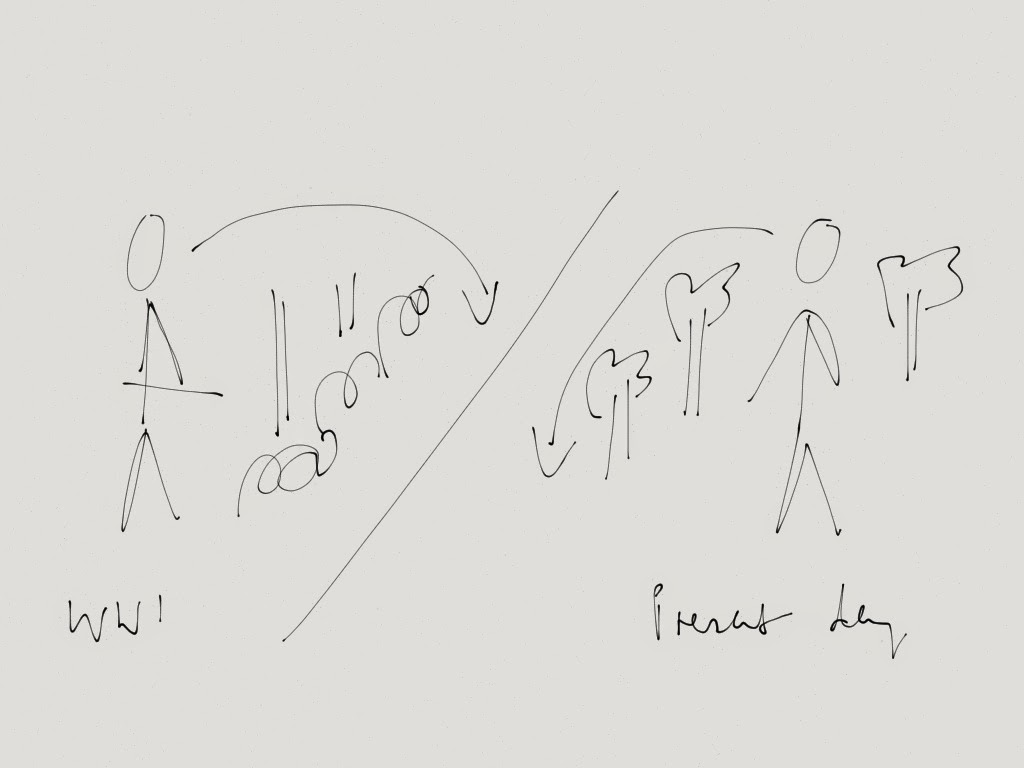
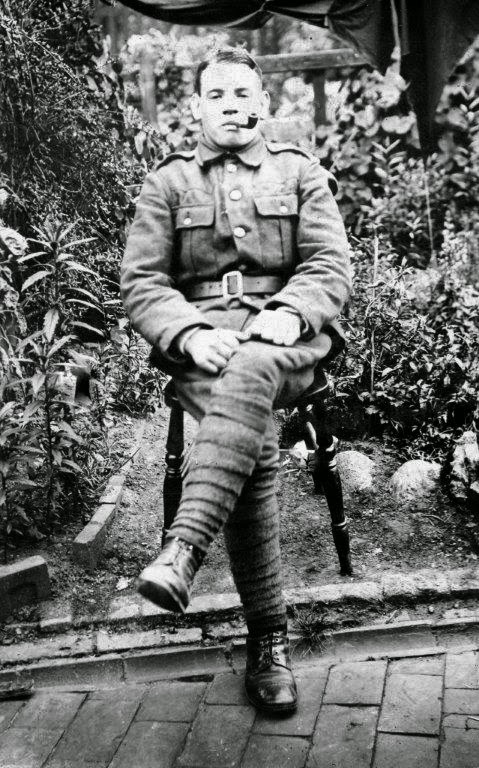
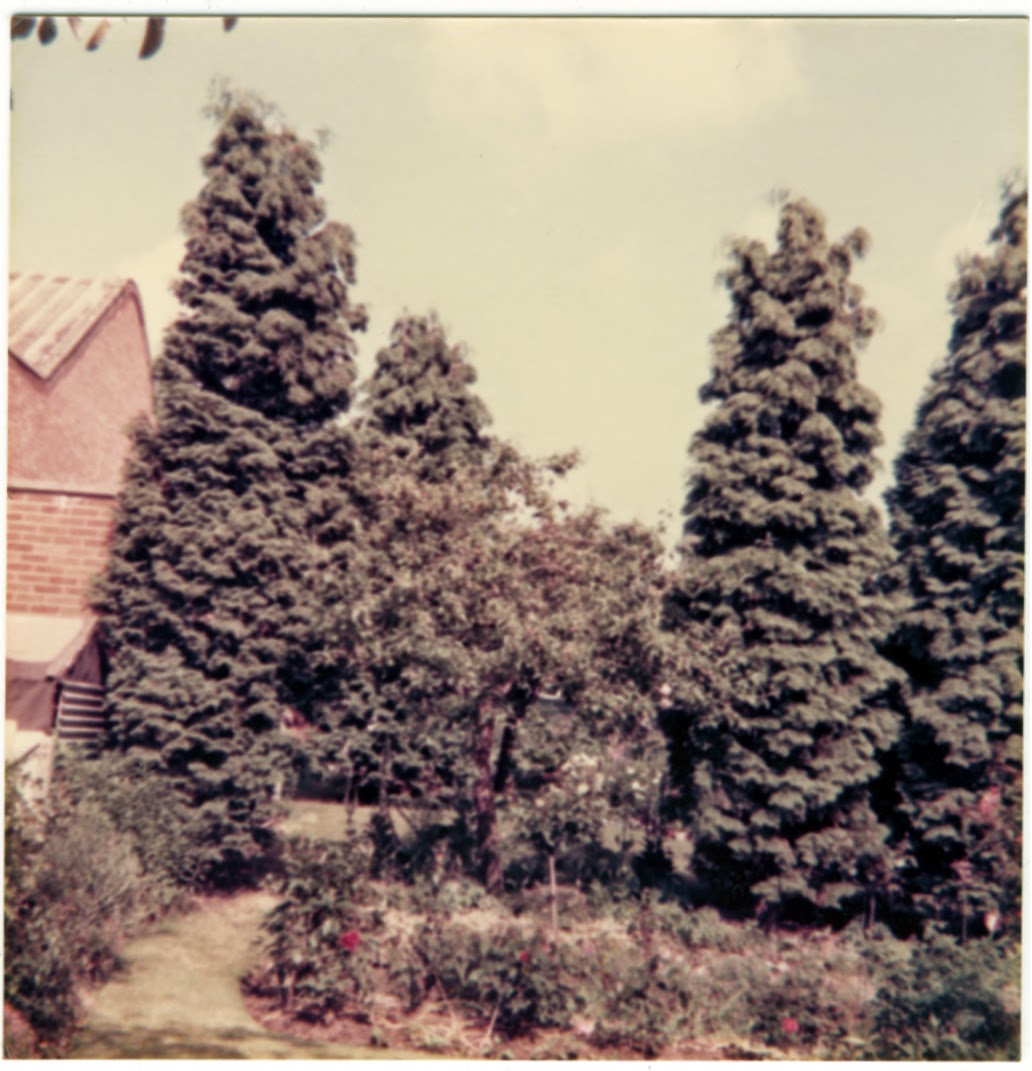
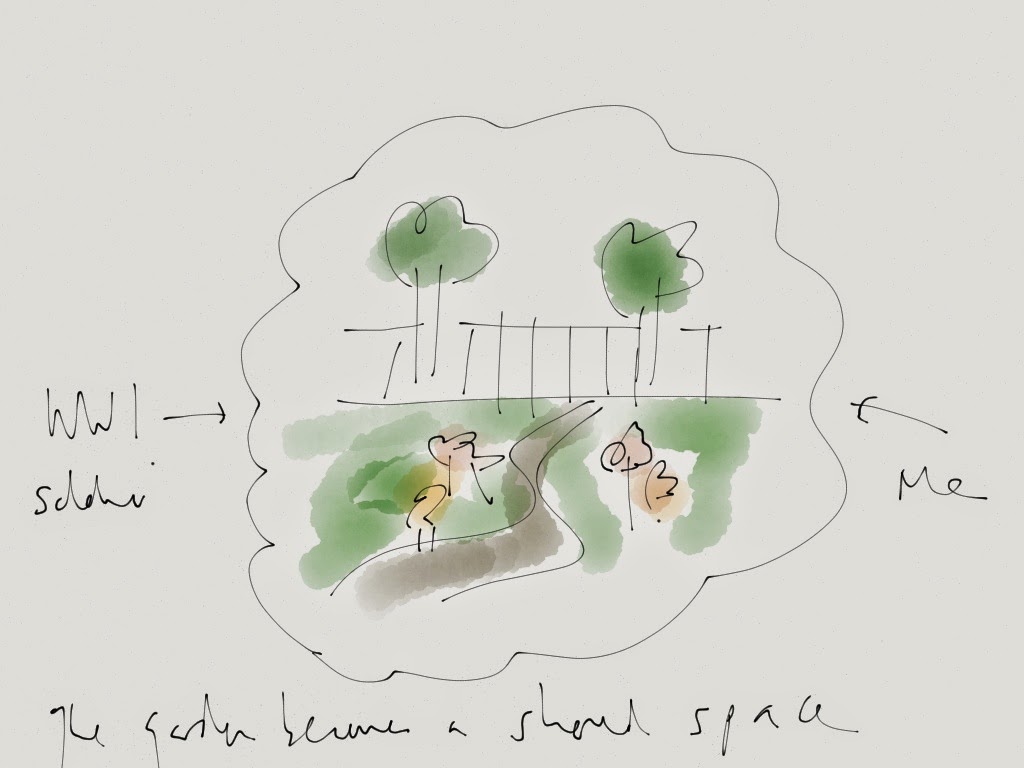
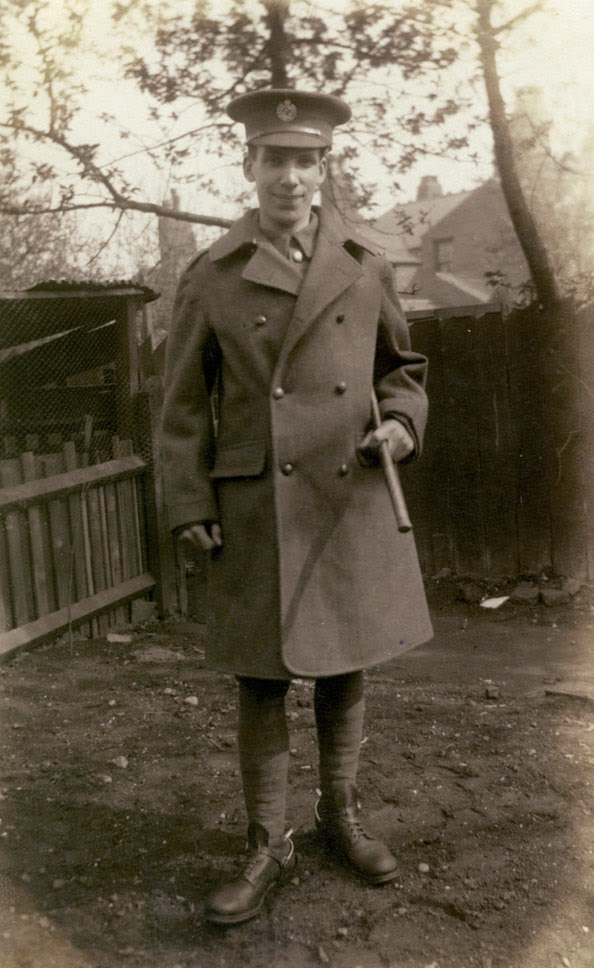
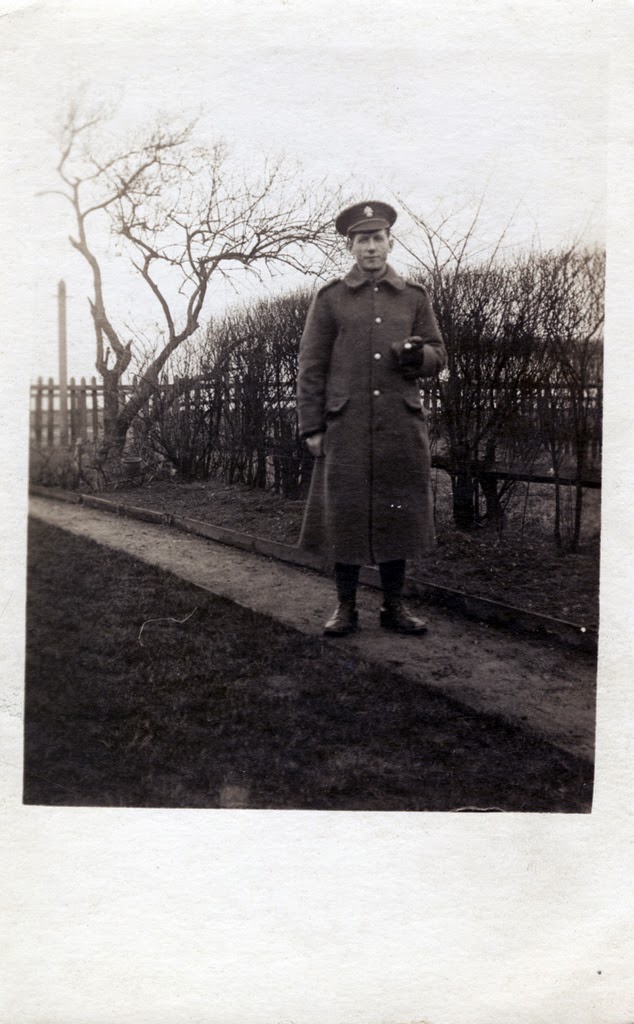
My Grandparent’s garden is as much a part of the past as the garden in which Jonah (above) is sitting. It’s almost as if the past becomes a single remembered landscape – a garden in which we can find those who lived and died long before we were born.
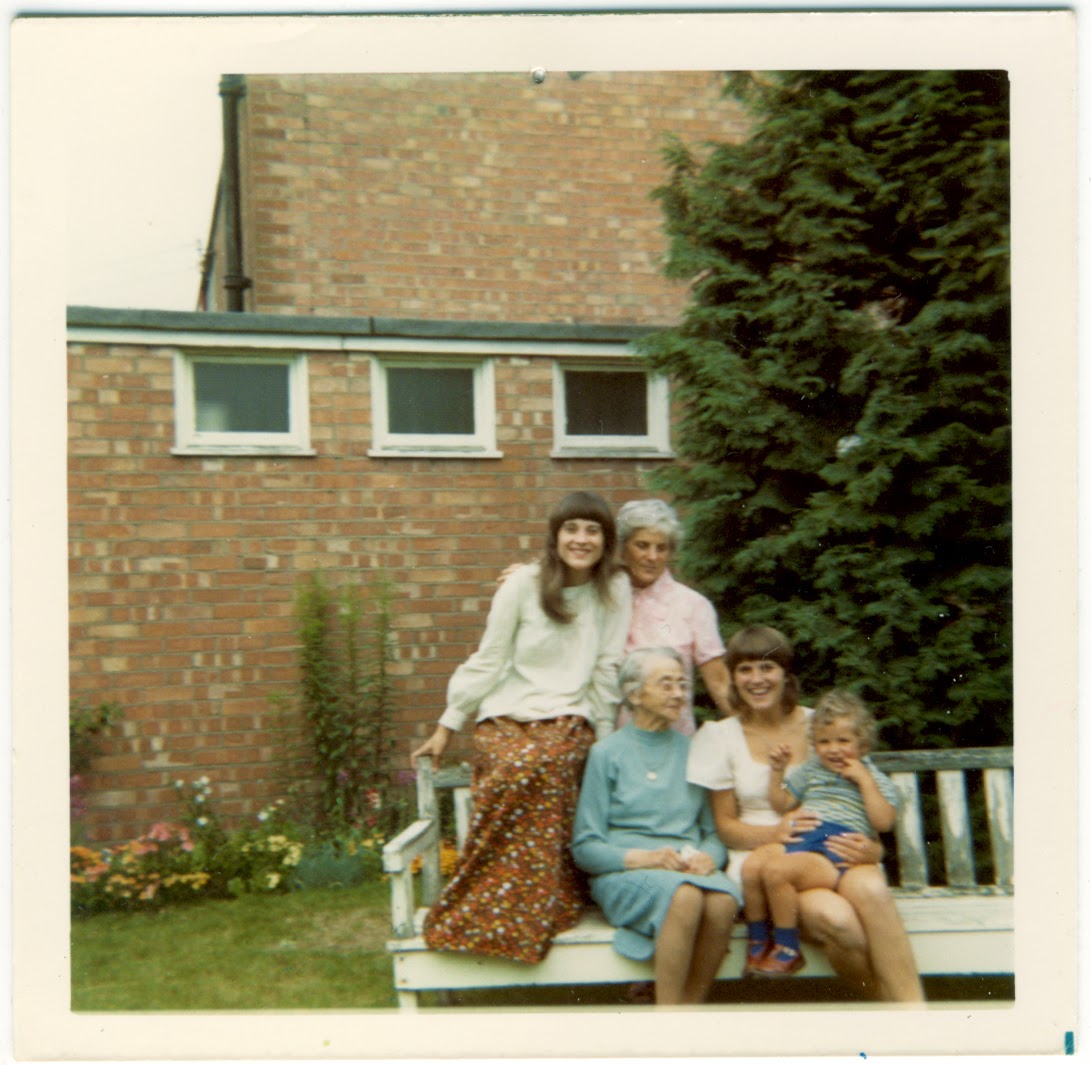 |
| Me as a small boy with my mum, nan, aunt and great-grandmother (born in 1878) |